What Is the Purpose of Nitriding?
News Details
Every day, industrial machine parts face high friction, heavy pressure, and intense heat. Over time, these rough conditions wear out steel parts, cause sudden breakdowns, and force factories to stop production for expensive repairs.
To fix these problems, manufacturers use special surface heat treatments. One of the best solutions available today is nitriding.
This simple guide explains how surface hardening works, why factories use it, and how modern equipment protects critical machinery.
What Is Nitride?
Before we look at the main process, let us cover the basics.
So, what is nitride? In metal processing, a nitride is a hard material formed when nitrogen atoms bind with metals like iron, chromium, titanium, or aluminum.
During treatment, free nitrogen gas enters the outer skin of a steel component. As nitrogen blends into the steel structure, it forms microscopic hard points. As a result, the outer skin becomes very strong, while the inner core stays tough and flexible.
What Is the Purpose of Nitriding?
So, what is the purpose of nitriding in modern manufacturing? Simply put, the main goal is to make metal surfaces much harder and more durable without changing the overall size, shape, or weight of the part.
Unlike standard methods that harden an entire piece of steel from the inside out, this procedure only hardens the outer layer. Because of this targeted approach, plant owners enjoy several major benefits:
-
Stops Fast Surface Wear: The hard outer layer protects moving parts from rubbing, scratching, and rough friction.
-
Prevents Metal Fatigue: Nitrogen forces compressive stress into the outer layer, which stops micro-cracks from forming under dynamic loads.
-
Resists High Heat: Nitrided layers keep their high hardness even when parts operate at very high temperatures.
-
Protects Against Rust: The dense protective layer guards vulnerable steel from moisture, oxidation, and mild chemicals.
-
Avoids Part Warping: Because treatment happens at lower heat levels, metal parts do not bend, warp, or lose their precise dimensions.
How DoesPulsed Plasma Nitriding Technology Work?
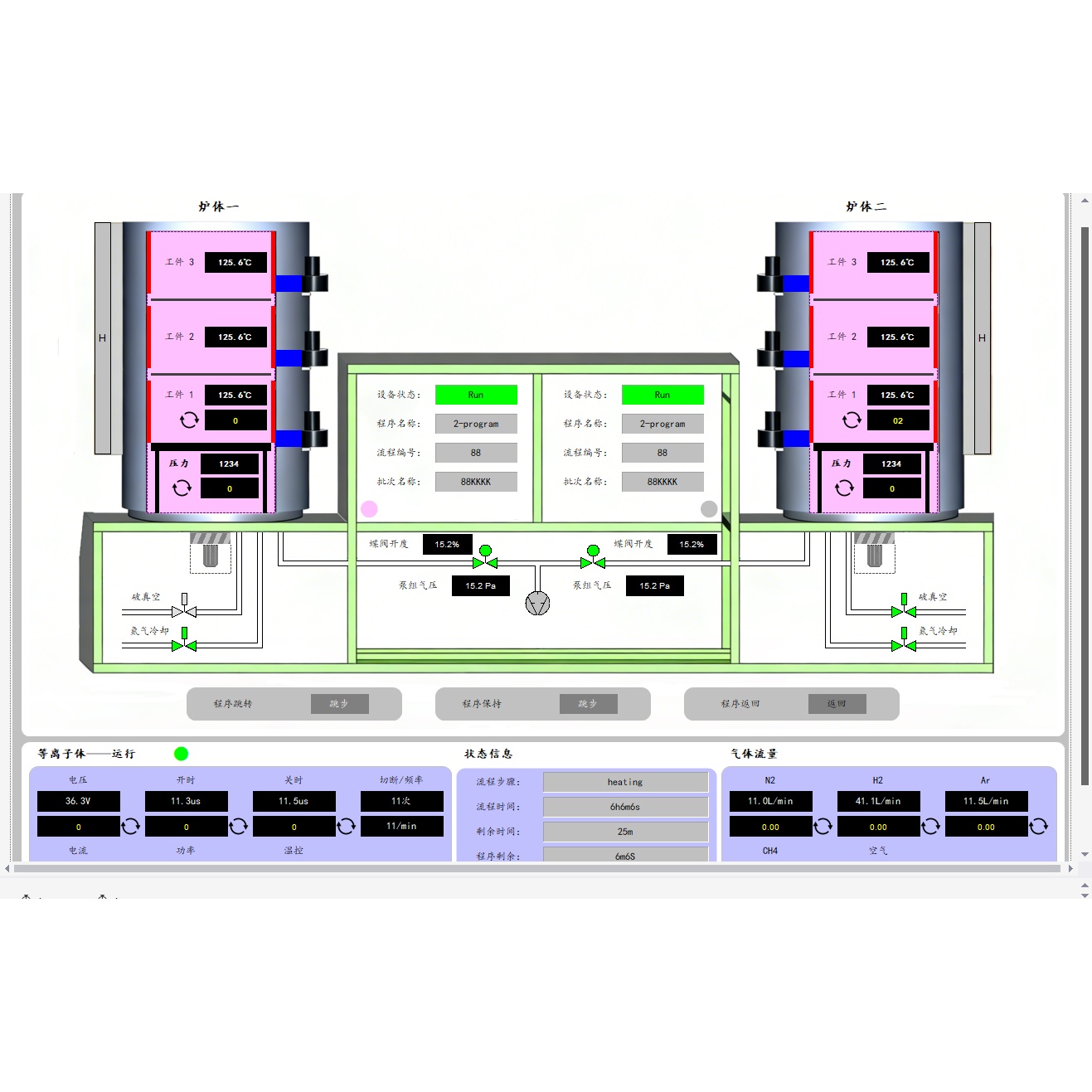
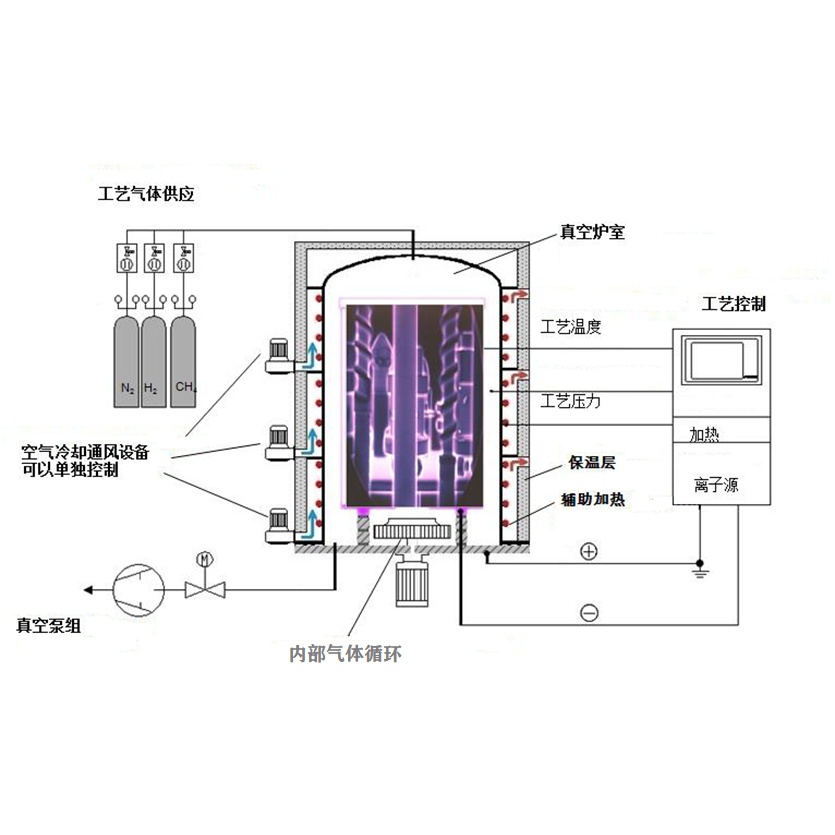
Old gas or salt-bath treatments often use too much power and produce dangerous chemical waste. Today, modern industrial plants choose Pulsed Plasma Nitriding Technology for cleaner, faster, and more precise results.
This high-tech treatment takes place inside a sealed vacuum chamber filled with nitrogen and hydrogen gas. An electrical charge turns the gas into a glowing plasma state. Positively charged nitrogen ions shoot toward the target metal part, heating the surface and sending nitrogen straight into the material.
In addition, rapid electric pulses allow operators to control heat and energy levels with ease. Therefore, factories can adjust layer thickness, save electricity, and completely eliminate toxic chemical waste from their workflow.
Why Is Surface Engineering Important for Factories?
Surface engineering plays a massive role in extending product life, reducing tool replacement costs, and raising total output. When metal surfaces resist wear, machines run longer without unexpected stops.
Furthermore, combining surface treatments with automated manufacturing creates huge production advantages. For instance, top equipment producers like Jiangsu Juchuang Automation Technology Co., Ltd. build advanced plasma treatment equipment alongside automated welding lines. Combining intelligent welding with plasma strengthening ensures finished metal assemblies achieve maximum strength and extra-long service lives.
Common Uses Across Key Industries
Nitriding treatments are essential across many global industrial fields:
-
Automotive Engineering: Engine gears, crankshafts, camshafts, and valves need smooth surfaces to reduce wear and handle constant engine strain.
-
Heavy Equipment: Hydraulic cylinders, turbine shafts, and high-pressure fluid valves rely on deep surface hardening to prevent field failure.
-
Tooling & Dies: Metal stamping dies, forging tools, and plastic injection molds benefit from lower friction and longer operational life.
-
Aerospace & Defense: High-precision flight components require strong surface fatigue resistance to endure extreme vibration and thermal load.
Conclusion
Learning the core concepts of surface treatments shows why metal hardening is so valuable for modern manufacturing. By using advanced solutions like Pulsed Plasma Nitriding Technology, manufacturing companies can improve part strength, cut daily maintenance costs, and keep heavy equipment working reliably for years to come.


