Understanding the E-RPNS Chamber High-Frequency Pulsed Plasma Nitriding Furnace
News Details
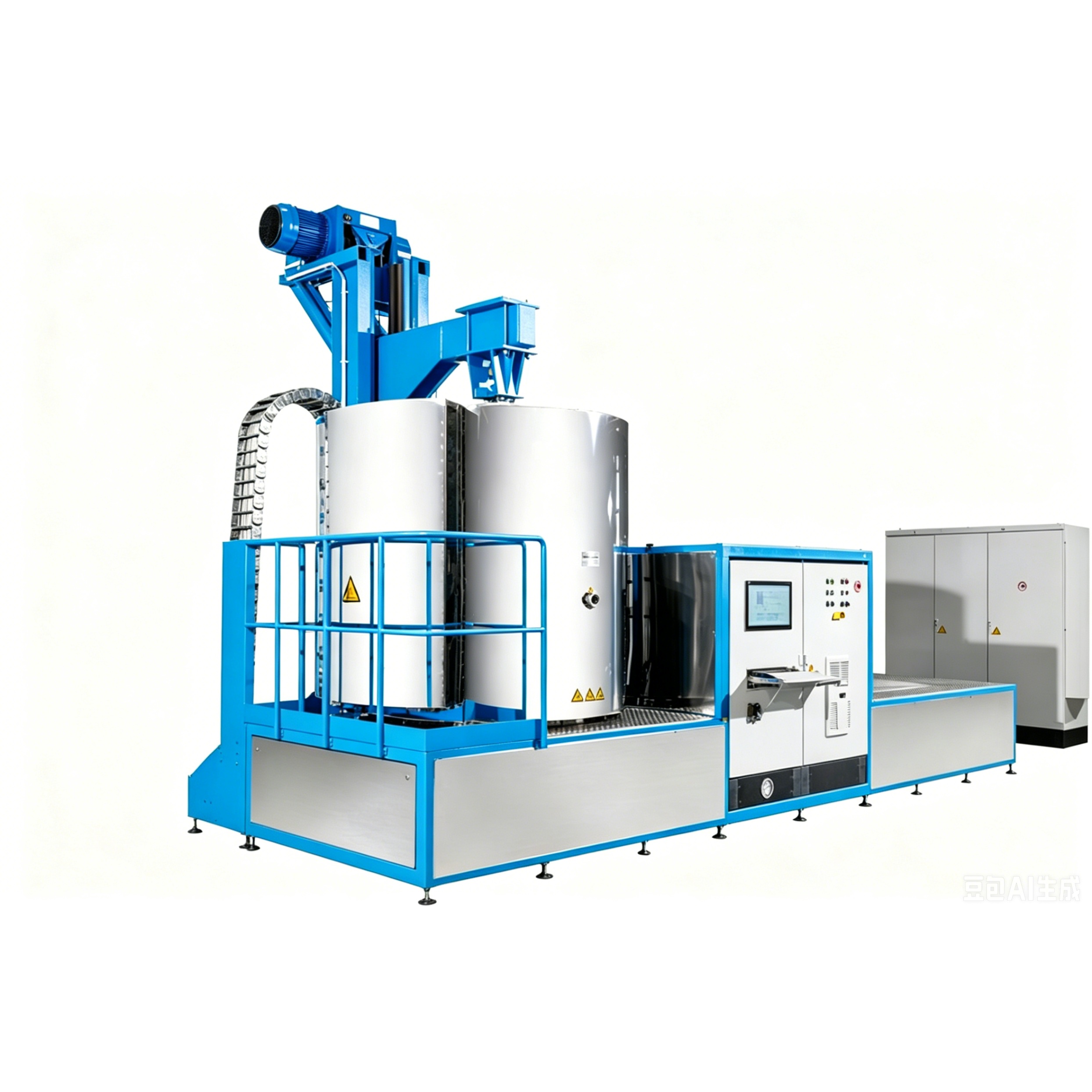
Industrial components face tough conditions every day. Heavy friction, high heat, and wear can quickly break down untreated metal parts. To solve this problem, manufacturers rely on modern surface-hardening methods.
Among the best solutions available today is theE-RPNS Chamber High-Frequency Pulsed Plasma Nitriding Furnace. This advanced system gives metal tools and parts extreme durability while keeping energy use low.
What Is Nitride and What Is the Purpose of Nitriding?
To understand how this furnace works, it helps to start with the basics of surface treatment.
First, what is nitride? A nitride is a compound formed when nitrogen combines with a metal element, such as iron, titanium, or chromium. When nitrogen diffuses into the outer surface of a metal part, it creates a hard, protective nitride layer.
Next, What is the purpose of nitriding? The main goal of nitriding is to significantly boost a metal part's wear resistance, surface hardness, fatigue strength, and corrosion resistance. Unlike standard hardening methods that require drastic quenching, nitriding works at lower temperatures. As a result, parts keep their core toughness without bending or warping out of shape.
How Pulsed Plasma Nitriding Technology Works
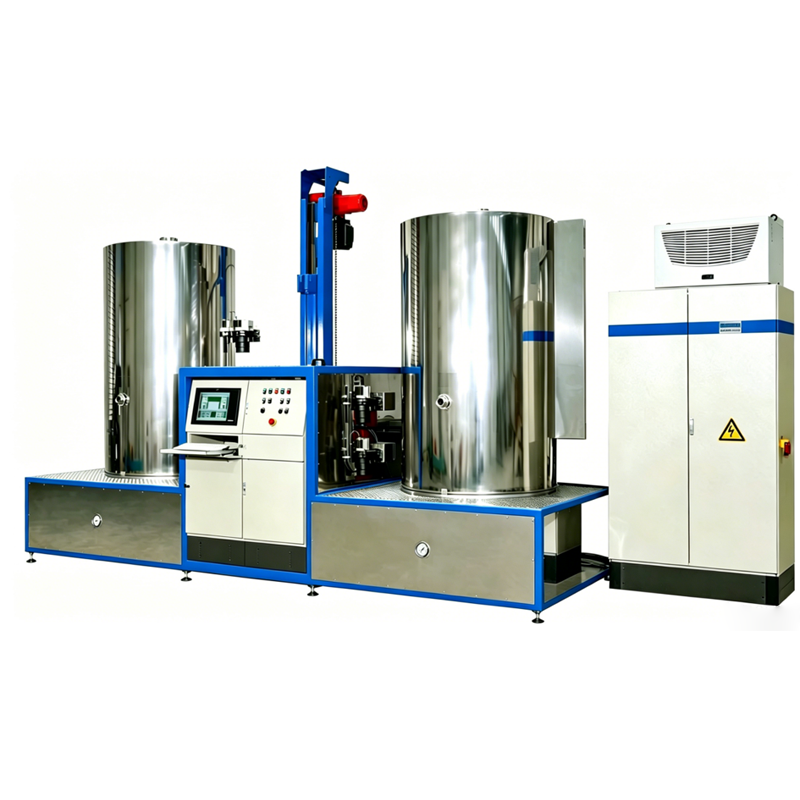
Traditional nitriding uses gas or liquid chemical baths, which can take a long time and generate hazardous waste. In contrast, modern furnaces use Pulsed Plasma Nitriding Technology.
This process places metal parts inside a vacuum chamber filled with nitrogen gas. High-frequency electrical pulses turn the gas into a glowing plasma state. Active nitrogen ions then bombard the surface of the workpieces, rapidly driving nitrogen atoms into the metal.
Because the system uses pulsed power rather than a continuous arc, it prevents overheating and electrical arcing. Furthermore, using clean ammonia gas creates an eco-friendly process with zero pollution.
Key Features of the E-RPNS Furnace
The E-RPNS series brings several high-tech improvements to industrial heat treatment:
-
Smart AI Control: Equipped with an advanced AI chip, the furnace controls temperatures and gas flows automatically to guarantee stable, reliable results.
-
Ultra-Fast Processing: Highly ionized plasma speeds up the reaction. Nitriding takes only 1 to 2 hours, making it several times faster than older methods.
-
Deep, Dense Layer: The diffusion layer can reach depths over 100 μm. The surface layer stays dense, smooth, and free of pinholes or weak spots.
-
Composite Heating System: Auxiliary heaters work together with ion bombardment to keep furnace temperatures uniform within ±5°C.
-
High-Temperature Options: Custom models can reach up to 900°C to treat special alloys made of titanium or molybdenum, fully meeting AMS2750 and AMS2759 aviation standards.
E-RPNS System Models and Specifications
Manufacturers can choose from single-chamber, dual-base alternating, or double-chamber setups to maximize productivity and lower cooling downtime. The system lineup offers various options to fit different production needs:
-
RPNS-5: Offers a work area of Ø 300 x 500 mm, handles a max load of 500 kg, operates up to 600°C or 900°C, and runs at 30 kW full-load power.
-
RPNS-10: Features a work area of Ø 600 x 700 mm, holds up to 1,000 kg, reaches up to 600°C or 900°C, and consumes 50 kW power.
-
RPNS-20: Provides a work area of Ø 800 x 1,200 mm, carries up to 2,000 kg, supports up to 600°C or 900°C, and uses 120 kW power.
-
RPNS-30: Designed with a work area of Ø 1,000 x 1,500 mm, handles up to 3,000 kg, operates up to 600°C, and runs at 180 kW power.
-
RPNS-50: Features a work area of Ø 1,200 x 2,000 mm, holds up to 5,000 kg, operates up to 600°C, and uses 220 kW power.
-
RPNS-80: Built with a work area of Ø 1,600 x 2,200 mm, supports heavy loads up to 8,000 kg, operates up to 600°C, and runs at 350 kW power.
Why Upgrade Your Heat Treatment Line?
Upgrading to an E-RPNS furnace helps factories boost output while meeting strict green energy standards. Thanks to its smart controls, fast cycle times, and flexible chamber options, this furnace helps toolmakers, automotive plants, and aerospace manufacturers produce tough, long-lasting components with total confidence.


