What Are the Advantages of Plasma Treatment?
News Details
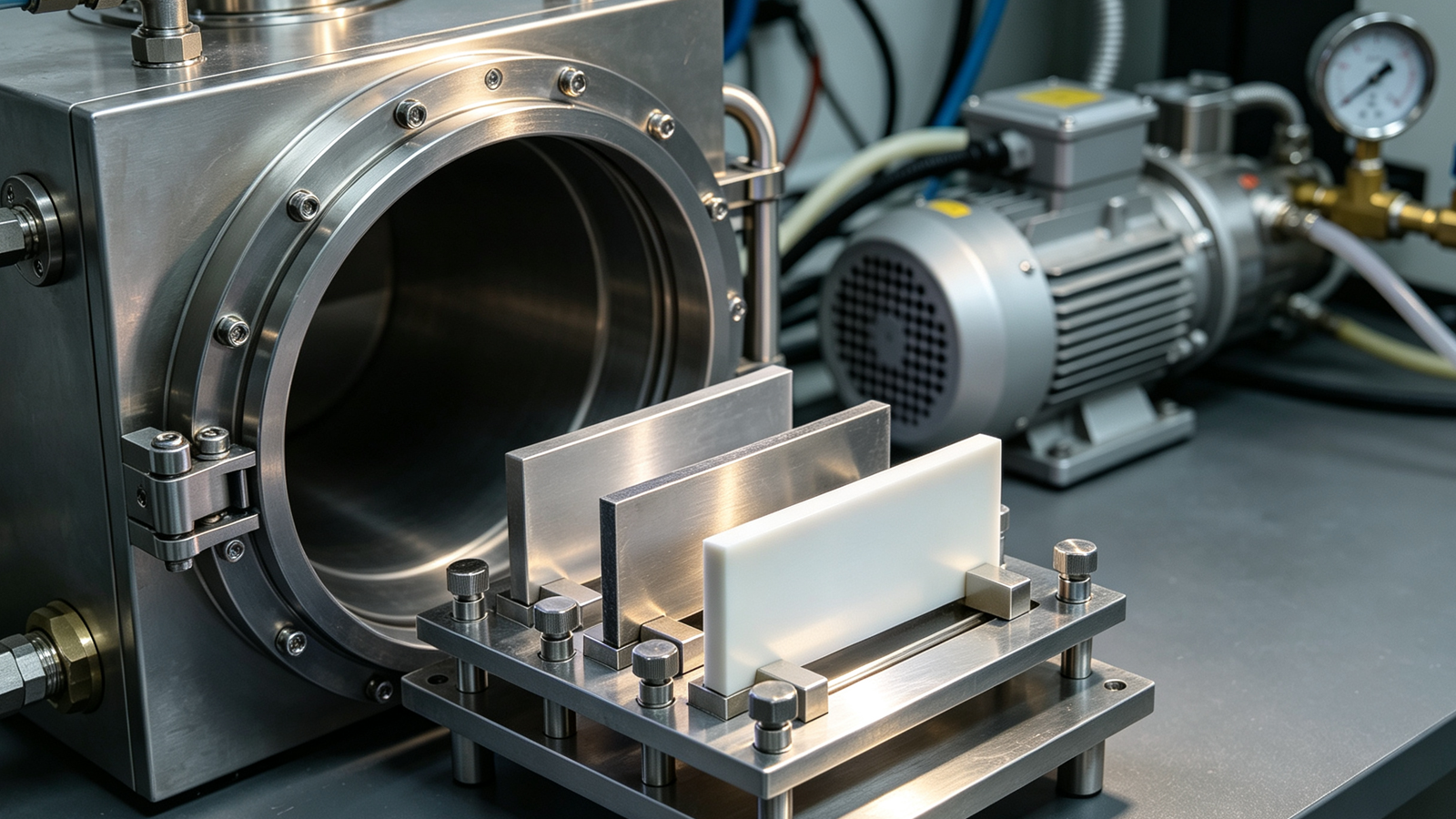
Modern factories face a huge challenge every day. They need to make materials stick together tightly. You might build cars, make medical tools, or print on plastic packages. In all these jobs, good surface preparation decides if your product lasts or fails.
Old methods use chemical solvents or rough sandblasting. These old ways create toxic waste, cost a lot of money, and often give mixed results.
Today, smart manufacturers use plasma surface treatment instead. This method changes material surfaces on a tiny level without hurting the main part. But how does it work, and is it right for your factory? Let's explore Plasma Surface Engineering Technology and see how it helps modern businesses.
What is plasma technology?
Before we look at the benefits, we must ask a basic question: What is plasma technology?
Most people know about solids, liquids, and gases. Plasma is the fourth state of matter. When you add high electrical energy to a simple gas, electrons snap off their atoms. This creates a hot gas cloud full of active ions and free electrons.
In manufacturing, plasma surface technology uses this energetic gas stream to clean and prepare parts fast. Because it works so quickly, plasma surface treatment technology now plays a big role in factories around the world.
How Plasma Works on Surfaces
When you apply plasma on surfaces, three simple steps happen at the same time:
-
Deep Cleaning: The active particles break down tiny oil spots and grease. These dirty spots turn into vapors and float away into the air.
-
Surface Activation: Plasma breaks weak chemical ties on the outer skin of the material. It adds fresh oxygen molecules. This step lets glue, paint, and ink spread out evenly instead of rolling off like water droplets.
-
Micro-Etching: The energetic gas creates tiny, invisible bumps on the surface. These microscopic bumps give glue a rough surface to grab onto.
What are the advantages of plasma treatment?
Why do so many plant managers choose this method? What are the advantages of plasma treatment for real-world factories?
-
Stronger Bond Strength: Plasma helps paint and glue stick to tricky materials like plastic, glass, and rubber.
-
Safer and Cleaner Workplaces: This process uses normal compressed air or clean industrial gas. It removes dangerous chemical solvents, keeps workers safer, and cuts disposal costs.
-
Protects Your Materials: The gas treatment only touches the very top molecular layer. It leaves the core strength, shape, and color of your part safe and sound.
-
Fits Right into Assembly Lines: Workers can attach plasma surface treatment nozzles directly to robotic arms or automated conveyor belts. This keeps your production moving fast with zero dry time.
-
Works on Almost Anything: You can use plasma surface treatment technology on plastics, metals, glass, ceramics, and rubber.
To learn more about advanced joining and surface prep machines for your factory line, explore the modern equipment options at 聚创.
What are the disadvantages of plasma treatment?
To make a good choice for your business, you must also ask: What are the disadvantages of plasma treatment?
-
Higher Upfront Equipment Costs: Buying new plasma machines costs more money at first than buying simple chemical rags or manual sprayers.
-
Temporary Effect: The surface boost does not last forever. The active surface slowly fades over time. Therefore, workers should glue or print on the parts soon after the treatment.
-
Tricky Part Shapes: Deep tubes and hidden holes inside 3D parts are harder to reach. You might need special vacuum chambers or smart robot arms to treat those areas.
-
Requires Proper Setup: Operators must tune the machine settings carefully. Setting the wrong speed or distance can burn sensitive plastic parts.
The Future of Plasma Surface Engineering Technology
More factories now focus on automation, green energy, and high quality. Because of this shift, Plasma Surface Engineering Technology is growing fast across many global industries.
By cutting out toxic chemical waste and building stronger products, plasma gives your factory a clear edge over competitors. It helps you speed up work and keep your product quality high.
Here is a Frequently Asked Questions (FAQ) section you can add directly to the end of the article to boost SEO, target extra search queries, and increase the total word count:
Frequently Asked Questions (FAQ)
How long does plasma surface treatment last?
The effect is temporary. After treatment, surface energy slowly drops over time in a process called hydrophobic recovery. Depending on the material and storage conditions, the activation can last anywhere from a few hours to several weeks. For best results, glue, paint, or coat your parts shortly after treatment.
Is plasma treatment safe for delicate electronics?
Yes. Atmospheric cold plasma operates at low temperatures and uses controlled electric discharges. This allows you to treat sensitive electronic components, circuit boards, and thin plastic films without causing thermal or electrical damage.
What gases does plasma surface treatment technology use?
Most industrial atmospheric plasma systems use standard ambient air or compressed air. For specialized applications requiring specific surface chemistries, systems can use gases like oxygen, nitrogen, argon, or helium.
Can plasma surface treatment replace chemical primers?
In most manufacturing setups, yes. Plasma increases surface energy and creates microscopic anchor points, allowing adhesives, paints, and inks to bond directly to the material. This eliminates the need for liquid chemical primers and toxic adhesion promoters.
What is the difference between atmospheric plasma and vacuum plasma?
Atmospheric plasma operates in open air directly on automated assembly lines, making it ideal for fast, localized treatment. Vacuum plasma takes place inside a sealed chamber, which allows uniform 3D treatment for complex, highly detailed, or batch-processed parts.


