Plasma Nitriding Automotive and NEV Parts: Application and Evidence Checklist
News Details
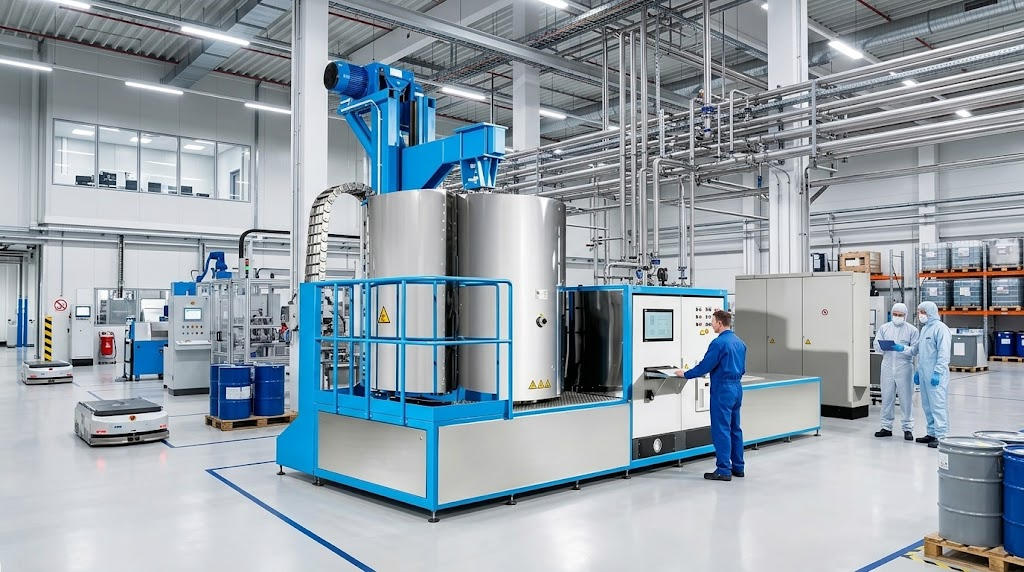
Setting a New Standard for Automotive and NEV Components
Vehicles and New Energy Vehicles (NEVs) demand extreme strength from their metal components. EV drive trains operate at high speeds and deliver instant torque, creating immense stress on gears, shafts, and bearings. Concurrently, manufacturers are required to achieve significant weight reduction without compromising structural integrity.
To withstand these rigorous conditions, critical components necessitate a dependable wear-resistant surface treatment. Without a robust protective layer, moving metal surfaces experience rapid degradation, scoring, and premature failure. Consequently, advanced surface engineering has become indispensable for manufacturing durable automotive systems.
The Logic Behind Low-Distortion Nitriding for Precision Components
Conventional heat treatments typically rely on high-temperature processing followed by rapid quenching in liquid. While these methods harden the surface, they frequently introduce thermal distortion, altering the component's geometry. This necessitates additional, costly grinding operations to restore parts to precise tolerances.
Conversely, selecting low-distortion nitriding resolves these geometric challenges. By conducting the process at comparatively low temperatures within a controlled vacuum chamber, the component retains its exact dimensional and geometric specifications. This clean plasma technology ensures that intricate gears, motor shafts, and thin-walled housings maintain their precision, effectively eliminating expensive secondary machining.
Key Applications of Plasma Nitriding in the Automotive Industry
Modern manufacturers employ plasma surface treatment across a spectrum of critical powertrain and structural components. Utilizing plasma nitridingon automotive parts establishes a thin, hard protective layer that mitigates wear and minimizes friction.
Primary automotive applications include:
-
EV Drive Gears and Shafts: High-speed electric motors require refined gear meshing to attenuate noise and safeguard against surface fatigue.
-
Engine Valves and Camshafts: Components subjected to high-frequency sliding demand exceptional protection against frictional degradation.
-
Brake and Steering Components: Safety-critical parts necessitate superior wear resistance and corrosion inhibition.
-
Body Stamping Dies: Heavy-duty tooling used for forming body panels benefits from extended service life and abrasive wear resistance.

Technical Verification Checklist for Automotive Procurement
To ensure optimal field performance, quality assurance teams evaluate specific technical parameters before releasing treated components for serial production.
A fundamental quality assurance checklist includes:
-
Case Depth Verification: Measurement of the compound layer thickness to ensure compatibility with dynamic operational requirements.
-
Hardness Profiling: Assessment of surface hardness and depth of hardening to validate load-bearing capacity.
-
Core Toughness Assessment: Confirmation that the underlying substrate retains its ductility and structural resilience.
-
Dimensional Metrology: Precision measurement of critical geometries pre- and post-treatment to verify the absence of thermal distortion.
Elevate Component Durability with Juchuang Surface Solutions
Partnering with a specialist in surface engineering significantly extends the operational lifespan of automotive components. Through the application of sophisticated plasma technologies and rigorous quality controls, Juchuang enables manufacturers to safeguard critical parts against abrasion, thermal fatigue, and mechanical stress. Ultimately, these advanced surface treatments optimize cost-efficiency, minimize downtime, and ensure uninterrupted vehicle performance.


