What is a Longitudinal Weld? A Quick Industrial Guide
News Details
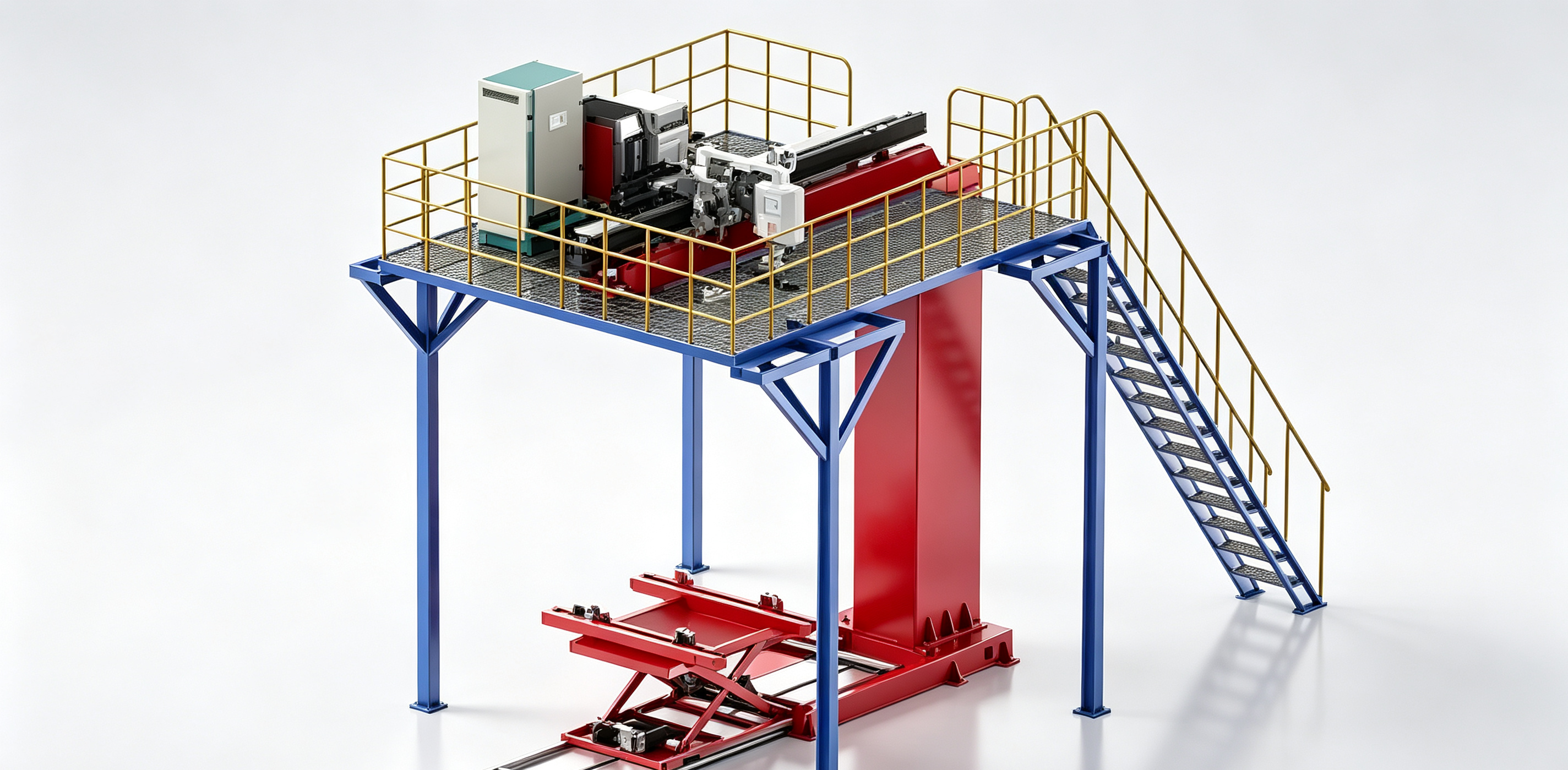
Have you ever looked at a large steel pipe, pressure vessel, or metal tank and wondered how it was made? Most metal cylinders start as flat metal sheets. To turn a flat sheet into a strong, sealed tube, manufacturers must join the two long edges together. This straight joint running along the length of the part is known as alongitudinal weld.
In industrial manufacturing, creating a clean, high-strength longitudinal seam is critical for safety and product quality. Let's explore what makes this process work, where it is used, and how automation makes it faster.
How a Longitudinal Weld Works
First, a flat sheet of metal is rolled or bent into a round cylinder shape. Next, the two long, straight edges meet along the top or side, forming a straight line along the body. Finally, a welding torch travels along this line to fuse the edges together.
Because this joint runs parallel to the length of the pipe or cylinder, it carries the full stress of internal pressure. As a result, the joint must be completely uniform, strong, and leak-proof.
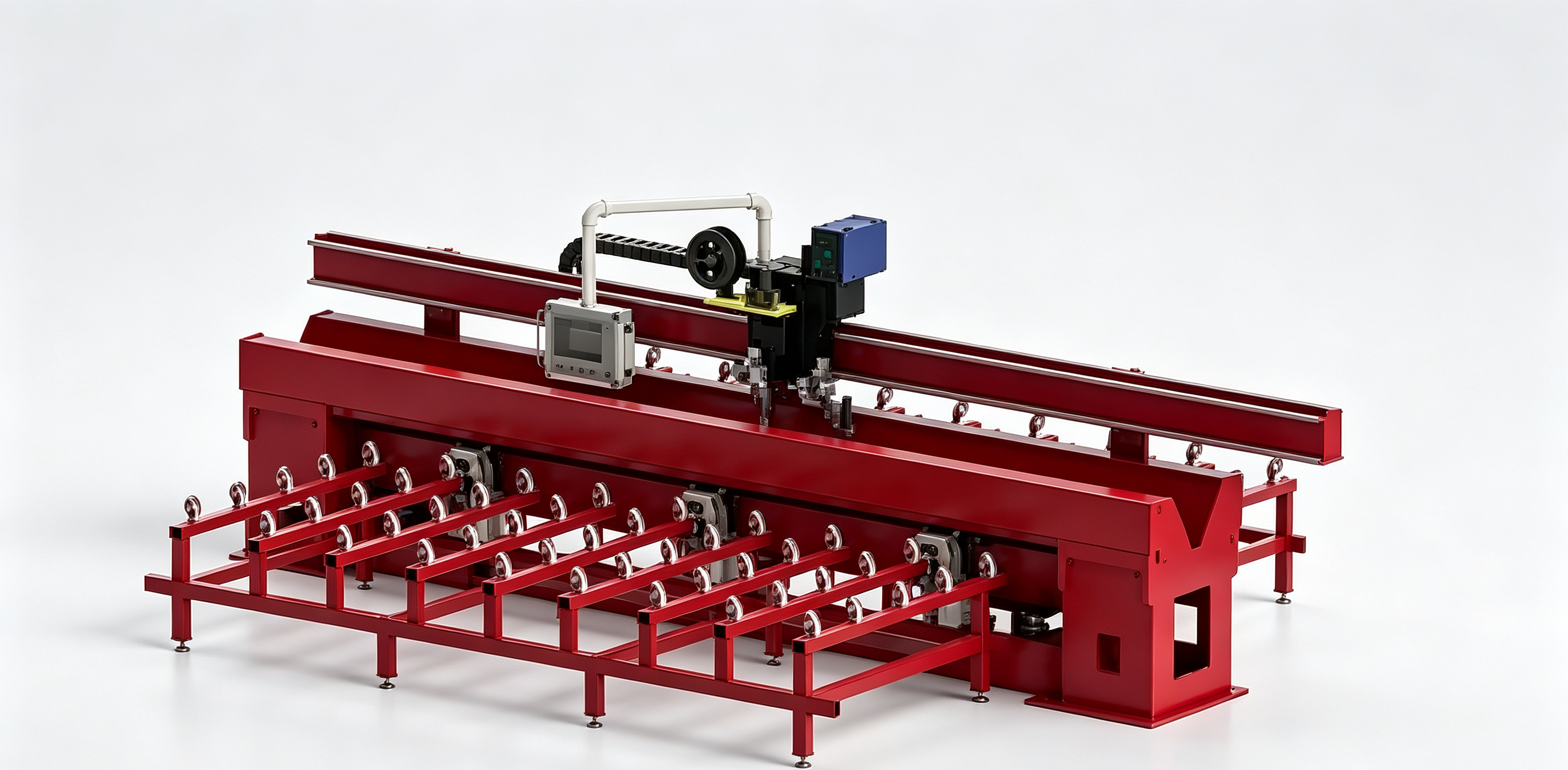
Why Quality Matters for Every Longitudinal Seam
A longitudinal seam endures significant structural strain during its lifetime. For instance, in water pipes or chemical storage tanks, internal liquid pressure pushes outward against the walls. If the weld has tiny cracks or uneven spots, the entire cylinder can fail under pressure.
To prevent defects, manufacturers focus on three key factors:
-
Consistent Heat Input: Too much heat can warp the metal, while too little heat leaves weak spots.
-
Precise Edge Alignment: The two metal edges must line up perfectly along the entire length.
-
Controlled Travel Speed: Moving the torch at a steady speed ensures uniform fusion from end to end.
The Role of an Automated Seam Welding Machine
In the past, welders joined long straight seams manually. However, manual welding is slow and prone to human error, especially on long workpieces. Today, modern industrial plants rely on a specialized seam welding machine to handle the process automatically.
An automated machine clamps the rolled metal sheet firmly in place. Then, a motorized carriage guides the welding head down the full length of the joint with exact precision.
Using an automated system offers clear benefits:
-
Higher Speed: Automatic torch movement speeds up production cycles dramatically.
-
Consistent Quality: Clamping fingers hold the metal flat, preventing heat distortion and gaps.
-
Reduced Labor Costs: Operators simply load the metal and start the machine, freeing up skilled labor for other tasks.
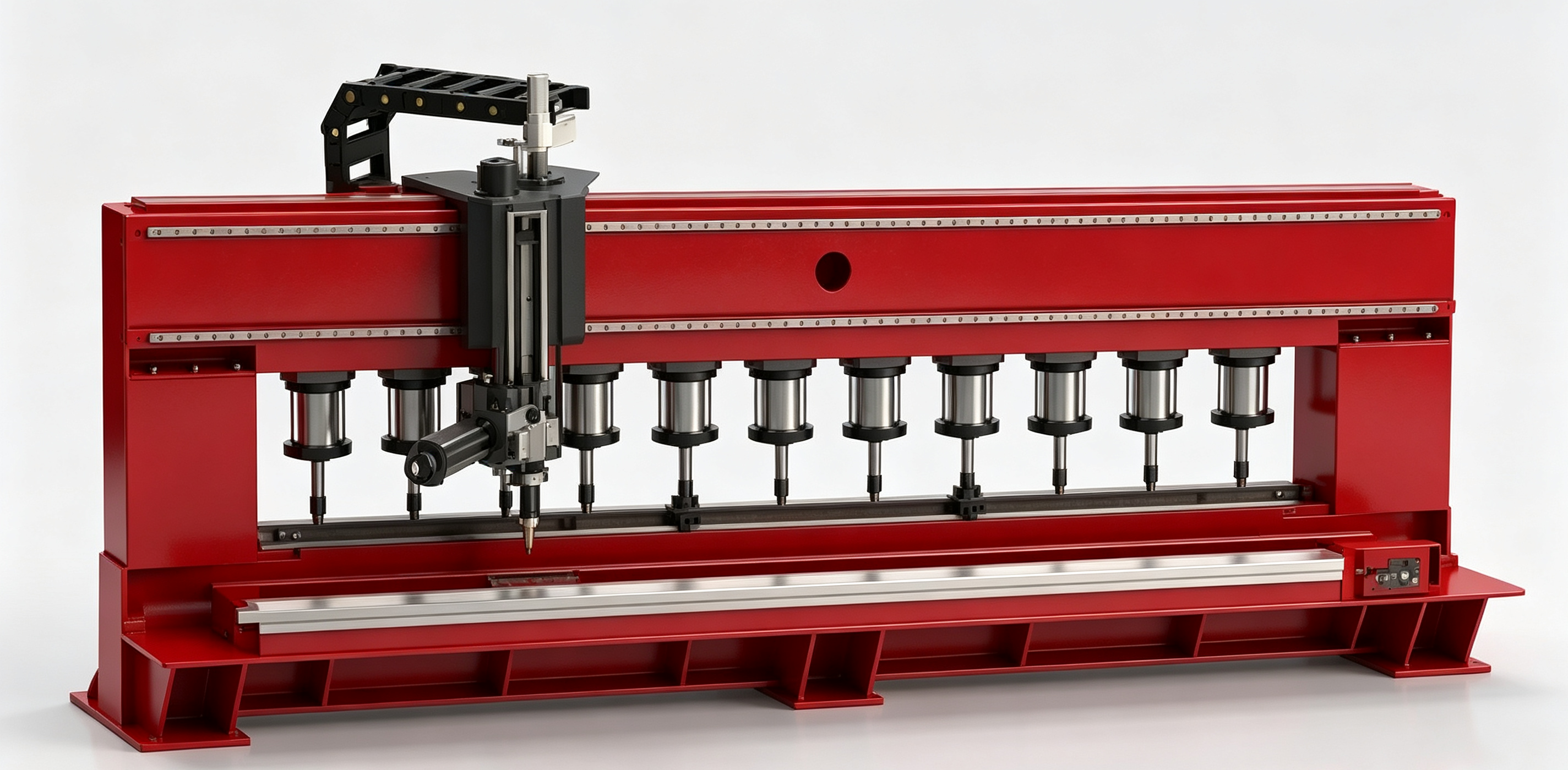
Key Industrial Applications
Where will you find this type of welding in action? Because cylindrical parts are everywhere in modern infrastructure, the applications are vast.
-
Pipes and Tubes: From small exhaust pipes to huge oil and gas pipelines.
-
Pressure Vessels & Tanks: Air compressor tanks, water heaters, and chemical storage drums.
-
HVAC Ductwork: Metal ventilation tubes that require air-tight seams.
-
Aerospace & Defense: Fuel tanks and rocket bodies that require lightweight, ultra-reliable joints.
Elevating Your Production Line
Whether you are manufacturing stainless steel pipes or heavy-duty storage tanks, producing a reliable longitudinal weld is essential for product safety and performance. Investing in specialized automated equipment—such as precision systems offered by industry experts like JuChuang—helps factories achieve flawless welds, minimize scrap rates, and scale production effortlessly.


