Thin Film Coatings in Mold Making: Mechanisms of Wear, Adhesion, and Release Performance
News Details
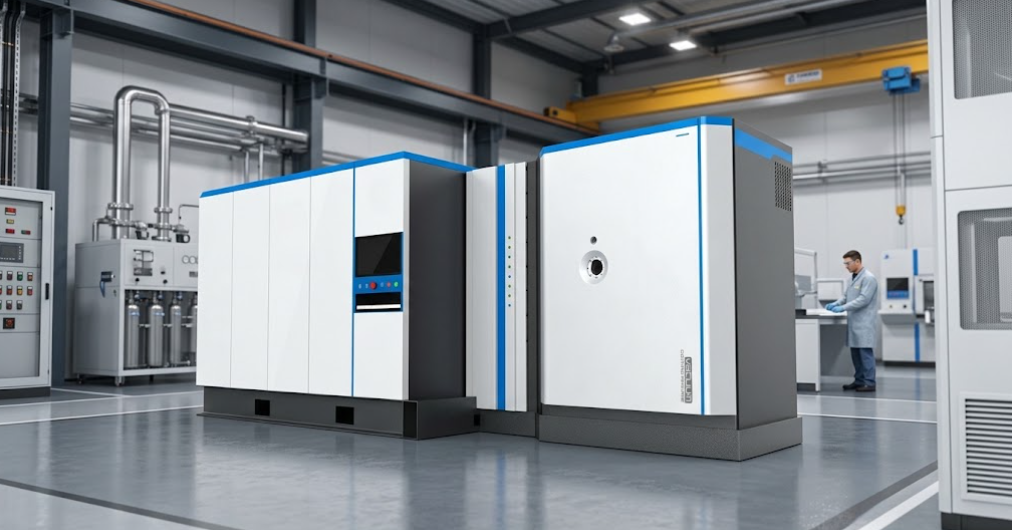
The Necessity of Surface Protection for Precision Molds
Precision manufacturing demands high standards. When molds run thousands of production cycles daily, they face heavy friction, extreme heat, and constant wear. Over time, unprotected tool steel begins to degrade. This wear leads to poor part quality, frequent maintenance downtime, and higher operational costs.
To solve these issues, modern industries rely on surface engineering. Applying aPVD coating for moldscreates an ultra-thin, hard protective shield over critical tool surfaces.This technology improves tool durability without changing original dimensions or tight tolerances.

Understanding Wear Resistance and the PVD Coating Hardness Test
Molds often suffer from two main types of wear: abrasive wear from filled plastics or metals, and adhesive wear caused by material sticking to the surface. A high-performance thin film helps prevent both problems by lowering friction and increasing surface strength.
How do engineers prove this strength? They perform a PVD coating hardness test. This test usually uses Vickers indentation methods to measure how well the coated surface resists scratching and plastic deformation under heavy loads. Because these films often reach high hardness values, they prevent the tool substrate from wearing down prematurely, keeping parting lines sharp and cavity walls intact over long production runs.
Ensuring Long-Term Durability Through a Coating Adhesion Test
A hard surface layer is only useful if it stays firmly attached to the base metal. If a film peels or flakes off during high-pressure molding, the tool will fail quickly. Therefore, bond strength is critical for reliable performance.
To check this bond, quality teams use a coating adhesion test. Common methods include scratch tests and indentation tests, which measure the critical load required to cause film delamination. Excellent adhesion ensures that the protective layer handles severe thermal shocks and mechanical stresses without separating from the tool steel.
Improving Mold Release and Surface Performance
Besides fighting wear, surface treatments play a major role in how finished parts leave the cavity.Traditional steel molds can cause plastic or metal parts to stick, leading to drag marks, deformation, and higher scrap rates.
Advanced thin films provide a very low coefficient of friction. This smooth interface improves mold release performance, allowing parts to slide out easily with less need for messy release sprays. Furthermore, reduced material buildup means operators spend less time cleaning and polishing the tooling.
Maximizing Tool Life with Juchuang
Choosing the right surface treatment transforms manufacturing efficiency. By enhancing wear resistance, ensuring strong interfacial bonds, and promoting smooth part release, Juchuang helps manufacturers protect their valuable tooling investments.Ultimately, these advanced solutions reduce downtime, cut scrap rates, and deliver consistent quality across every production cycle.


