Plate Butt and Longitudinal Seam Welding: Fixture, Backing, and Distortion Control
News Details
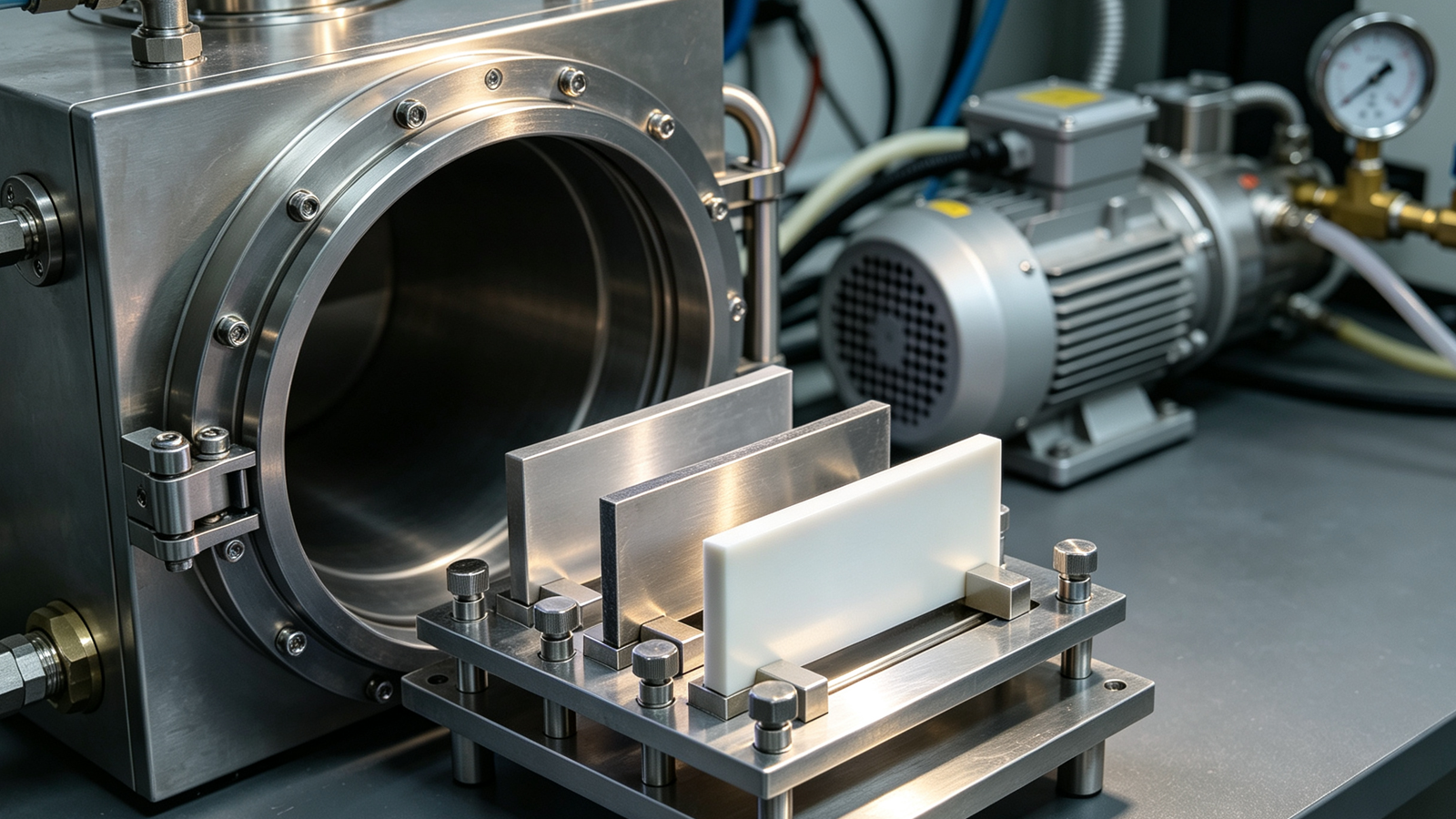
Joining flat metal sheets or long sheet-metal cylinders requires intense heat. But when high heat meets flat metal, parts tend to warp, twist, and bend. In industrial manufacturing, controlling heat and maintaining shape is vital for production efficiency and product durability.
Achieving a flat, smooth, and strong weld requires proper equipment design. By combining a reliablelongitudinal seam welder, specialized hold-down fixtures, and copper backing tooling, manufacturers can eliminate joint alignment errors and heat distortion altogether.
The Root Cause of Weld Distortion
Metal expands when heated and shrinks as it cools down. During plate butt welding, this uneven heating creates thermal stresses that pull the metal out of alignment. If these stresses are not managed, the entire component loses its structural integrity and dimensional tolerance.
There are three main types of weld distortion:
-
Angular Distortion: The metal plates lift at the edges, forming a V-shape along the joint line.
-
Longitudinal Shrinkage:The weld seam shrinks along its length, causing buckling on thin sheet metal.
-
Transverse Shrinkage: The plates pull toward each other across the seam, narrowing the gap unevenly.
-
Top Level: Independent pneumatic finger banks push down firmly on both sides of the seam.
-
Middle Level: The left and right workpiece plates are held completely flat, tightly meeting at the central joint line.
-
Bottom Level: A water-cooled copper backing bar sits directly beneath the joint, supporting the metal and absorbing excess heat.
-
Heat Extraction: High thermal conductivity rapidly cools the heat-affected zone, minimizing expansion and reducing structural distortion.
-
Molten Metal Support: It holds the liquid weld pool in place, forming a smooth, uniform bead on the backside without burn-through.
-
Shielding Gas Flow: Internal gas channels deliver purging gas directly to the root, protecting the back of the weld from oxidation and porosity.
-
Controlled Travel Speed: High welding speeds reduce total heat input into the parent metal, limiting overall expansion.
-
Interpass Temperature Limits: Multi-pass welding setups allow the metal to cool between passes to avoid excessive thermal buildup.
-
Trailing Shield Gas: Extended gas cups protect hot metal from air exposure while cooling down, ensuring clean welds.
Without mechanical restraint, even a slight thermal shift can ruin large sheet panels, pressure vessels, fuel tanks, or structural pipes.
Fixture Clamping: Securing Metal in Place
To control thermal movement, automated seamers use heavy-duty clamping systems. Finger-style pneumatic clamp banks align the metal edges flat against a rigid bed. These systems use a top-to-bottom hold setup to keep parts stable during high-heat welding.
The clamping assembly works in a layered top-to-bottom configuration:
These individual clamping fingers apply uniform downward pressure close to the weld line. This setup prevents metal sheets from buckling or warping upward while accommodating natural longitudinal expansion as the torch moves down the seam.
Backing Bars and One-Side Welding Back Formation
Achieving full-penetration welds on thick plates or thin sheets often requires two-sided welding, which increases labor costs and extends cycle times. Utilizing a specialized plate butt welding machine paired with a chilled copper backing bar enables one side welding back formation.
The copper bar sits directly under the joint line and fulfills three critical roles:
Using a well-designed copper backing strip gives fabricators consistent penetration and smooth surface finishes on both sides of the plate in a single welding pass.
Advanced Thermal Control and Post-Weld Handling
Even with heavy fixtures, heat control requires fine-tuning during the welding process. Automated systems adjust travel speed, voltage, and wire feed speed to balance penetration and heat input.
In addition to water cooling inside the backing bar, advanced setups use secondary cooling methods:
Proper temperature management reduces internal mechanical stress, eliminating the need for expensive post-weld straightening.
Engineering Complete Welding Automation Solutions
Every manufacturing line presents unique challenges, from varying material thicknesses to complex shop-floor layouts. Working with an experienced custom welding machine manufacturer ensures your fixture pressure, torch travel speed, and backing geometry are built specifically for your material types and thickness ranges.
Partnering with a provenwelding system integrator Chinalike Juchuang gives fabricators access to fully automated longitudinal seamers. These integrated setups pair precision torch car carriages with automated clamping beds to deliver repeatable, high-quality, distortion-free welds across high-volume production runs.


