What are the Different Types of Seam Welding Machines?
News Details
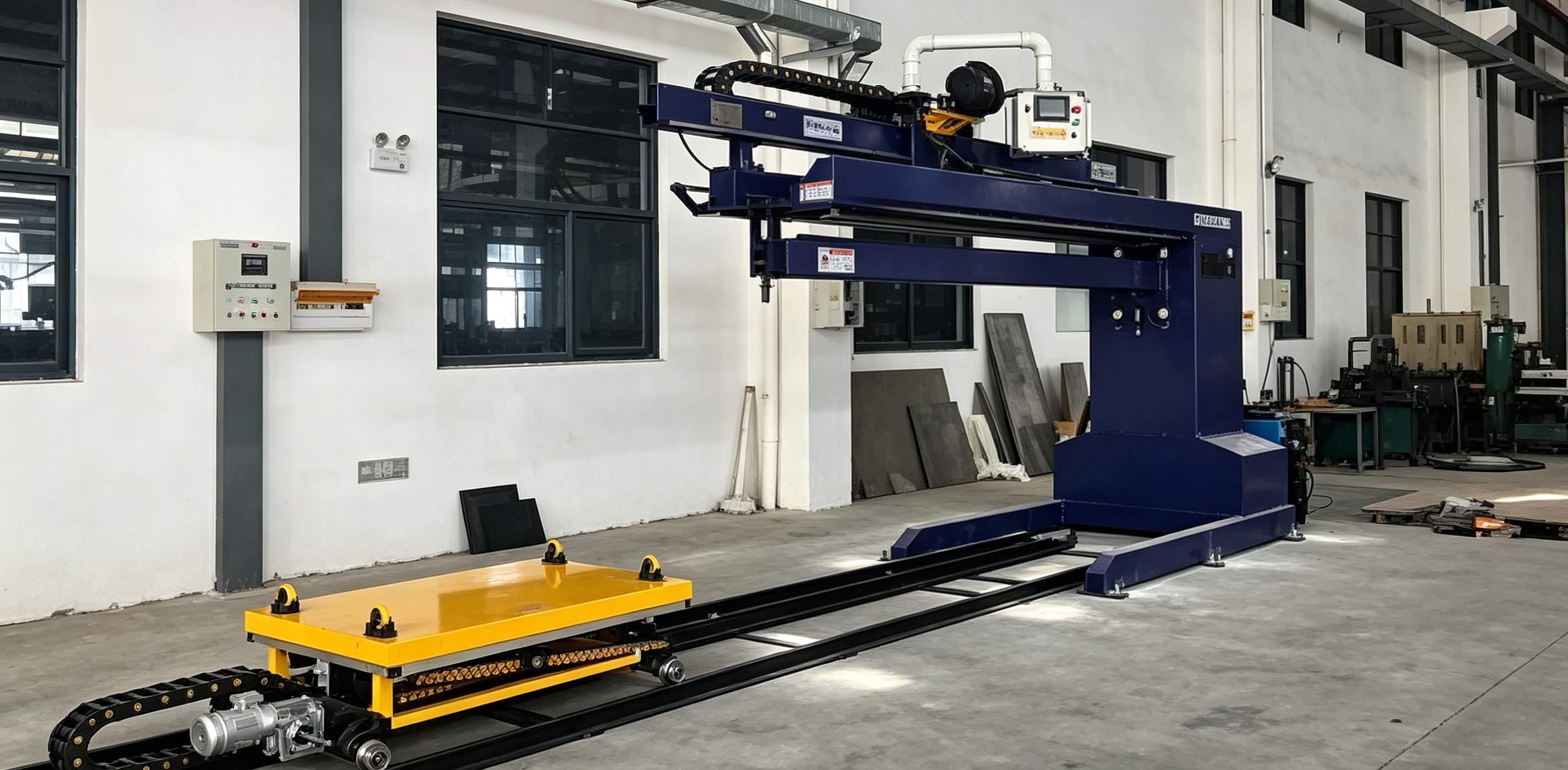
When you fabricate metal tanks, pipes, or sheet metal assemblies, joining edges securely is a top priority. A reliable seam welding machine makes this task fast, smooth, and consistent. But because different projects require different joint styles and welding processes, manufacturers produce several types of seam welders.
Understanding these machine types will help you choose the right equipment for your production goals and keep your quality high.
What is a Seam Welding Machine?
In simple terms, a seam welder creates a continuous weld seam along two overlapping or abutting pieces of metal. Instead of making single spot welds at distinct points, the machine joins the metal in one unbroken line. This process creates leak-proof seals that are ideal for fuel tanks, pressure vessels, pipes, and HVAC ductwork.
Depending on how the seam runs along the workpiece, machines fall into two main structural categories: longitudinal seam welders and circumferential (lathe-type) seam welders.
1. Longitudinal Seam Welders
If you need to make straight welds along the length of a cylinder, box, or flat sheet, a longitudinal seam welder is the standard tool.
What is a Longitudinal Weld?
What is a longitudinal weld? A longitudinal weld is a straight weld joint that runs parallel to the main axis of a pipe, tube, or vessel. When flat sheet metal is rolled into a cylinder, the two meeting edges form a straight longitudinal seam. Welding this seam securely turns the flat sheet into a strong structural tube or tank shell.
To create this joint consistently, modern longitudinal seam welders hold the metal edges tightly in place using copper clamping fingers. A motorized welding carriage then moves the torch or welding head smoothly along the joint. This automatic movement keeps the heat input steady, which reduces distortion and prevents burn-through on thin metals.
2. Circumferential Seam Welders
While longitudinal machines weld along the length of a part, circumferential seam welders make round welds around the circumference.
These machines typically feature a lathe-style bed. The cylindrical workpiece rotates on motorized rolls or a headstock while the welding torch remains fixed overhead. You would use a circumferential welder to attach end caps, flanges, or heads onto the ends of tanks and pipes after finishing the straight longitudinal weld.
3. Resistance Seam Welding Machines (Wheel Welders)
Resistance seam welding is a specialized variation of spot welding. Instead of using pointed copper electrodes, this seam welding machine uses rotating copper alloy wheels.
As the metal sheets pass between the wheels, electric current flows through the material while pressure is applied. The wheels spin continuously, delivering a sequence of overlapping spot welds that form an airtight seam. Resistance seam welders are widely used in mass production for:
-
Automotive fuel tanks
-
Metal drums and cans
-
Heat exchangers and radiators
4. Automated & Robotic Seam Welders
For high-volume manufacturing lines, fully automated seam welding systems integrate advanced sensors and CNC controls. These machines can automatically track the joint, compensate for part variations, and adjust welding parameters in real time. Automated setups work with TIG, MIG, Plasma, or Laser welding power sources to boost output speed while maintaining tight quality standards.
How to Choose the Right Seam Welder for Your Operation
Selecting the right equipment comes down to three key factors:
-
Joint Direction: If your parts are straight pipes, ducts, or rolled shells, look for longitudinal seam welders. If your parts are circular assemblies, choose a circumferential unit.
-
Material and Thickness: Thin stainless steel often benefits from TIG or Plasma longitudinal welding, while high-volume sheet metal can be joined faster with resistance seam welding wheels.
-
Budget and Output Needs: If you are expanding production, searching for a high-quality longitudinal seam welder for sale from an experienced manufacturer like Juchuang ensures you get a rigid frame, precise clamping systems, and reliable motion controls built for industrial use.
By matching the machine type to your part geometry and production speed, you can lower labor costs, improve weld quality, and achieve clean, leak-tight joints every time.


