
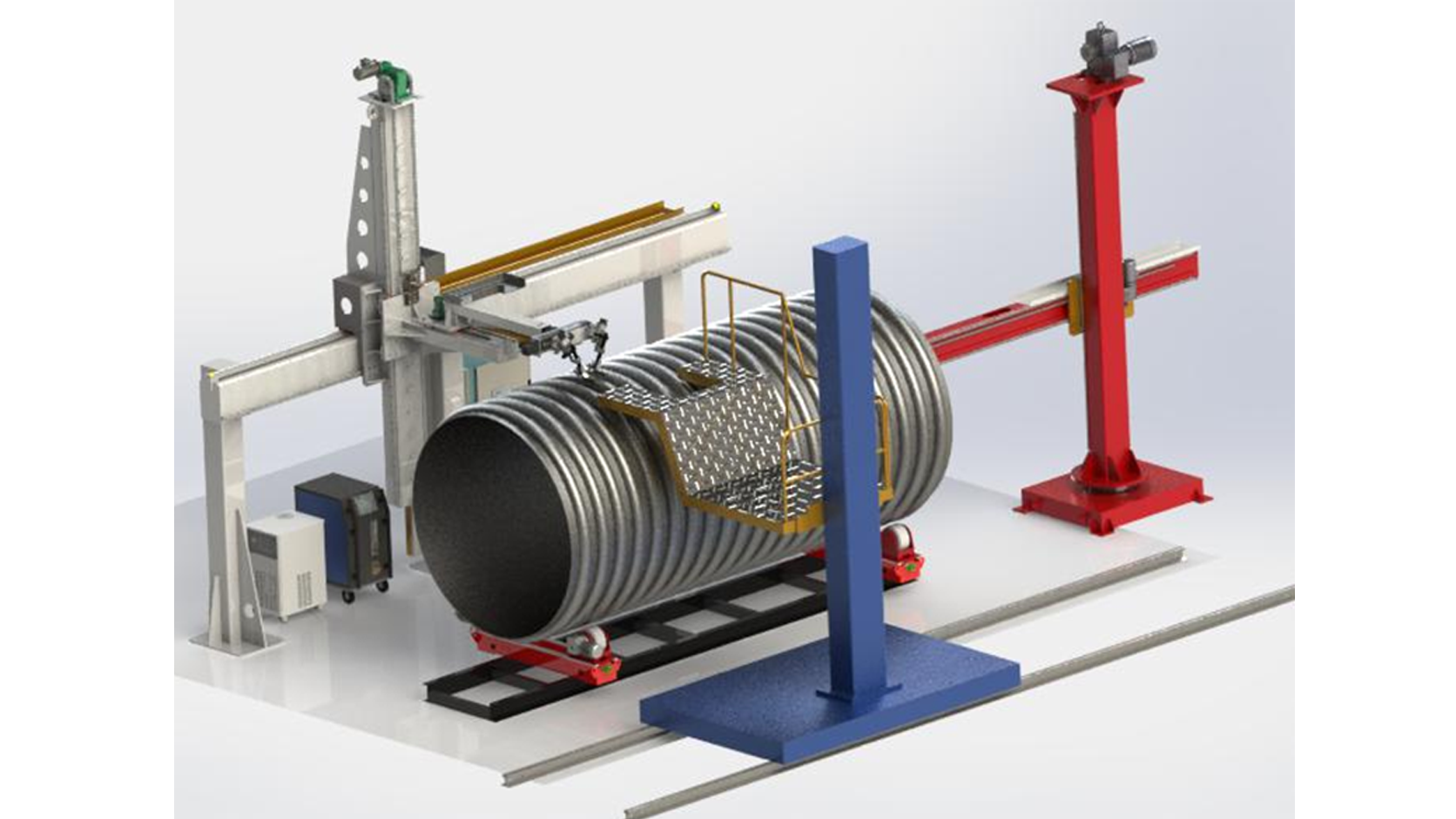
Welding and cutting equipment plays an important role in modern manufacturing. Whether it is used for pressure vessels, pipelines, heat exchangers, or automatic production lines, proper storage after work is just as important as daily operation.
Many users focus only on machine performance during production, but they often ignore what happens after the project is finished. In fact, poor storage can cause rust, cable damage, frozen cooling systems, and even electrical failure.
So, when your welding task ends, how should you store your equipment correctly?
This guide will explain the key precautions for storing welding and cutting machines and show how professional solutions from Juchuang Products help customers reduce maintenance costs and improve equipment life.
Why Proper Storage of Welding Equipment Matters
After a project is completed, some welding machines may stay unused for days, weeks, or even months. During this time, poor storage conditions can quietly damage the equipment.
Common problems include:
- Moisture causing rust and electrical short circuits
- Dust entering machine ventilation holes
- Sunlight aging plastic parts and cables
- Rodents damaging control wires
- Frozen cooling water cracking copper tubes
- Wheel deformation on welding carriages
- Oxidation of unused welding wire
These issues may seem small, but they can lead to serious repair costs and production delays.
That is why proper storage should always be part of your welding management process.
Basic Storage Rules for Short-Term Equipment Placement
If the next use is coming soon and there is no need to move the machine into a warehouse, temporary on-site storage is acceptable. However, several protective steps are still necessary.
Keep Equipment Away from Moisture
Moisture is one of the biggest enemies of welding machines. Water can damage internal circuits, reduce insulation performance, and create safety risks.
Always place the machine in a dry and ventilated area. If possible, use waterproof covers while keeping enough airflow to avoid condensation.
Avoid Direct Sunlight and Dust
Long exposure to strong sunlight can damage cable insulation and machine covers. At the same time, dust can enter cooling fans and electronic components.
Therefore, the machine should be placed in a shaded and clean environment. Covering the machine with protective cloth or plastic sheeting is a simple but effective solution.
Always Disconnect the Power Supply
This is a very important step. Even during short-term storage, the power must be completely disconnected.
It helps prevent electrical accidents, protects internal systems, and improves overall safety.
Long-Term Storage Requires Stronger Protection
If the equipment will not be used for a long time, warehouse storage is the better choice. However, more detailed protection is required.
Prevent Rodent Damage
Mice can enter through ventilation holes, cable openings, and other small spaces. They may bite wires, damage control systems, or contaminate electrical boards.
To avoid this problem, use plastic covers or protective sealing materials to block all openings where rodents may enter.
This is especially important for high-value automatic welding systems and precision plasma welding machines.
Organize Cables, Water Pipes, and Gas Hoses
Loose cables and hoses are easy to step on, press, or bend. This often causes cracks, leakage, or connection failure.
Instead, all accessories should be rolled neatly and hung properly. This keeps them safe and also makes future use faster and easier.
Special Care for Welding Trolleys and Carriages
Submerged arc welding systems and gas cutting machines often use small moving trolleys.
These wheels are usually made of rubber. If the machine stays in one position under heavy weight for a long time, the wheels may deform.
As a result, the equipment may lose movement accuracy and welding stability.
To solve this problem, the trolley body should be lifted slightly so the wheels do not stay under pressure.
At Juchuang Products, many automatic welding workstations are designed with reinforced positioning systems and customized fixtures that improve both operation stability and long-term storage safety.
For example, their welding automation workstations for pressure vessels include strong support structures and durable moving systems that reduce maintenance after shutdown periods.
Protect Unused Welding Wire from Oxidation
For CO₂ welding machines and submerged arc welding machines, unfinished welding wire should not remain on the wire feeder for long periods.
Exposure to air can cause oxidation on the wire surface. This reduces welding quality and may lead to unstable arc performance.
The correct method is simple:
Remove the welding wire, wrap it carefully, and store it in a dry environment.
This small step helps maintain welding consistency and reduces material waste.
The Most Important Winter Storage Rule: Prevent Freezing
This is one of the most critical points, especially for water-cooled welding machines.
Many welding machines use copper tube secondary windings with internal cooling systems. If cooling water remains inside during winter, freezing temperatures may crack the copper tubes.
Once this happens, repairs can be expensive and time-consuming.
How to Prevent Freezing Damage
The standard method includes three steps:
First, use compressed air to blow all remaining water out of the cooling system.
Second, run the machine with light heating for a short time to remove internal moisture.
Third, allow the machine to dry completely before final storage.
This method is especially important for outdoor winter construction projects.
Juchuang’s custom plasma welding machines and automatic pipe welding systems are widely used in demanding industrial environments. Their technical team often helps customers establish seasonal maintenance plans, especially for winter shutdown protection.
This greatly reduces emergency repairs and extends machine lifespan.
Real Customer Case: Better Equipment Life Through Proper Storage
A customer in the pressure vessel manufacturing industry used Juchuang’s longitudinal seam welding system for stainless steel tank production.
Previously, during winter shutdown periods, their cooling systems often suffered freezing damage. In addition, poorly stored cables created repeated replacement costs.
After working with Juchuang’s technical team, they improved their storage process by:
- Installing proper compressed air drainage procedures
- Organizing cables with fixed hanging systems
- Adding protective sealing against rodents
- Raising trolley wheels during long shutdown periods
As a result, machine failure during restart was reduced by more than 40%, and annual maintenance costs dropped significantly.
This shows that good storage is not just protection—it is a direct way to improve production efficiency.
Professional Storage Creates Long-Term Value
Welding equipment is a major investment for every factory. Protecting it should not stop when production ends.
Simple actions like covering machines, draining cooling water, organizing accessories, and preventing rodents can save large repair costs later.
At the same time, choosing reliable equipment suppliers makes storage and maintenance much easier.
Juchuang Products provides not only advanced welding and cutting systems, but also complete support for installation, training, maintenance, and long-term equipment management.
From custom plasma welding machines to automatic tube welding systems and complete welding automation workstations, their solutions help manufacturers improve both productivity and equipment reliability.
Proper storage is not extra work—it is smart management.
And smart management always creates better results.


