Automatic Welding System RFQ Checklist: Inputs That Prevent Rework
News Details
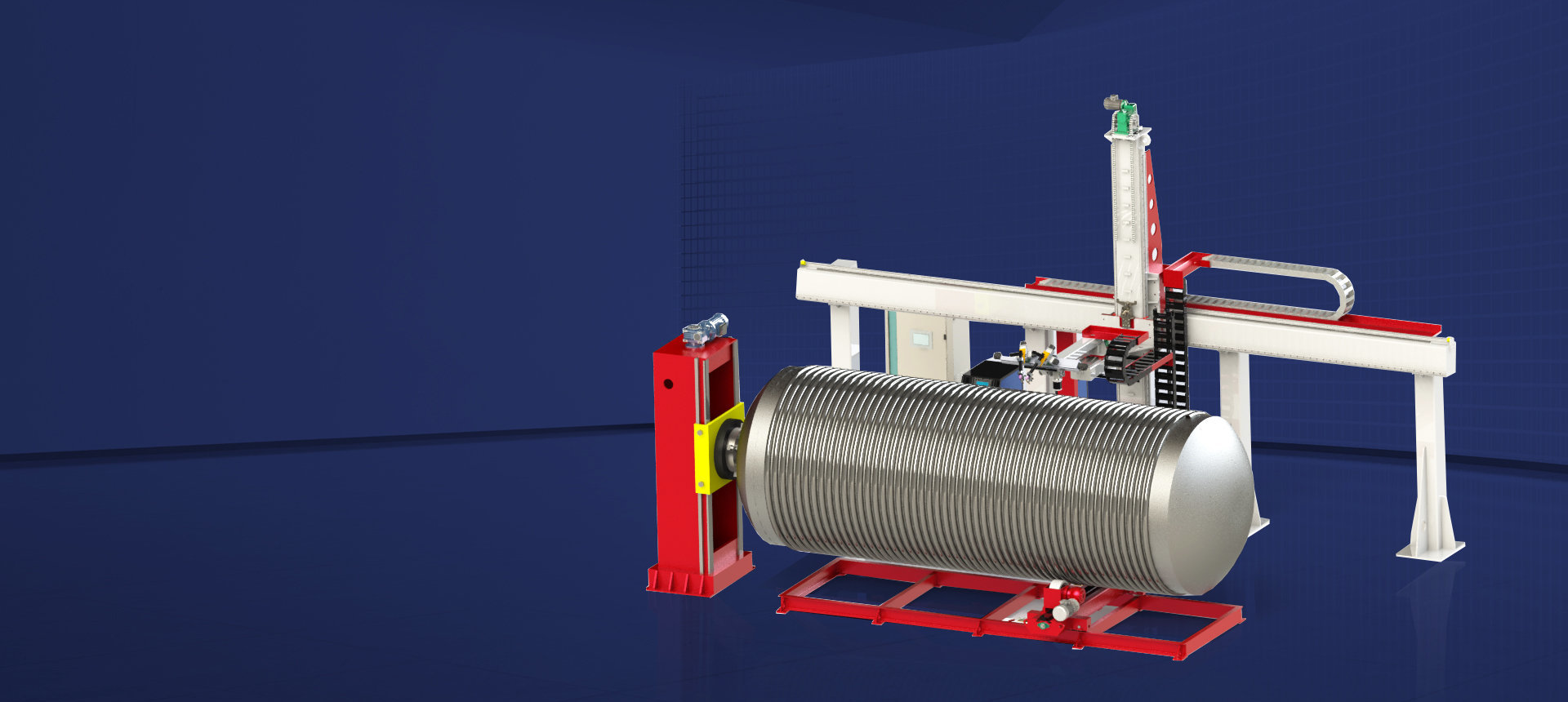
Requesting a quote for a welding automation project can feel overwhelming. If you miss key details in your initial request for quotation (RFQ), you risk costly engineering changes, project delays, and unexpected budget increases later on.
A clear and detailed RFQ helps suppliers understand your exact needs from day one. Consequently, you receive accurate pricing and build a system that works right the first time. Here is a practical RFQ checklist to guide your next custom automation project.
Part Specifications and Workpiece Details
First and foremost, suppliers need exact details about the parts you plan to join. Custom fixtures and torch motions depend entirely on part geometry.
-
Material Grades and Thickness: Specify the exact metals, such as stainless steel, aluminum, or carbon steel.
-
Part Dimensions and Tolerances: Provide 3D drawings or CAD files. Highlight any variations in upstream parts, as tight fit-up is crucial for automated torch paths.
-
Surface Condition: Note whether the parts are oily, rusted, sandblasted, or painted.
When you provide thorough workpiece data, you avoid design revisions after manufacturing has already started.
Production Volume and Cycle Time Goals
Next, outline your speed and volume requirements clearly. Production goals dictate the level of automation your system needs.
-
Target Output: State how many parts you need per shift, day, or year.
-
Required Cycle Time: Specify how many seconds or minutes are allowed per finished assembly.
-
Batch Sizes: Indicate whether the machine will make one single product continuously or handle frequent part changes.
Defining these numbers early helps the vendor determine whether a single-station cell or a multi-axis turnkey welding automation system is the right choice for your factory floor.
Welding Process and Quality Standards
Different industries follow different quality standards. Therefore, you must clarify your technical and regulatory demands up front.
-
Preferred Process: Mention if you require MIG, TIG, laser, or submerged arc welding.
-
Weld Appearance and Strength: State whether welds must be leak-tight, cosmetically smooth, or structural.
-
Industry Codes: List applicable welding codes or standards your finished parts must meet.
Clear quality targets allow engineers to choose the right power sources, seam-tracking sensors, and torch angles during the proposal phase.
Factory Environment and Layout Constraints
Even the best automated machine can fail if it does not fit your physical factory space. Always include plant layout constraints in your RFQ.
-
Available Floor Space: Provide maximum length, width, and height limits.
-
Utility Connections: List available power voltage, compressed air supply, and shielding gas lines.
-
Material Handling: Explain how parts enter and exit the cell, whether by manual loading, overhead cranes, or conveyor lines.
Sharing floor limitations early prevents expensive physical retrofits during final installation.
Clear Factory Acceptance Criteria
Finally, you must explicitly state how you will verify performance before the machine ships. Setting clear expectations protects your investment.
Define your acceptance criteria before signing a contract. Typical testing rules include:
-
Running a specific number of consecutive test parts without machine fault.
-
Meeting target weld penetration and bead appearance standards.
-
Verifying that cycle times match your initial agreement.
Establishing clear testing benchmarks ensures the machine performs flawlessly before it leaves the vendor's facility.
Final Thoughts
A detailed RFQ is your best defense against unexpected costs and project rework. By sharing accurate part drawings, volume targets, and testing standards up front, you get a fairautomatic welding machine price and ensure a smooth, successful automation rollout.


