

Industry Overview
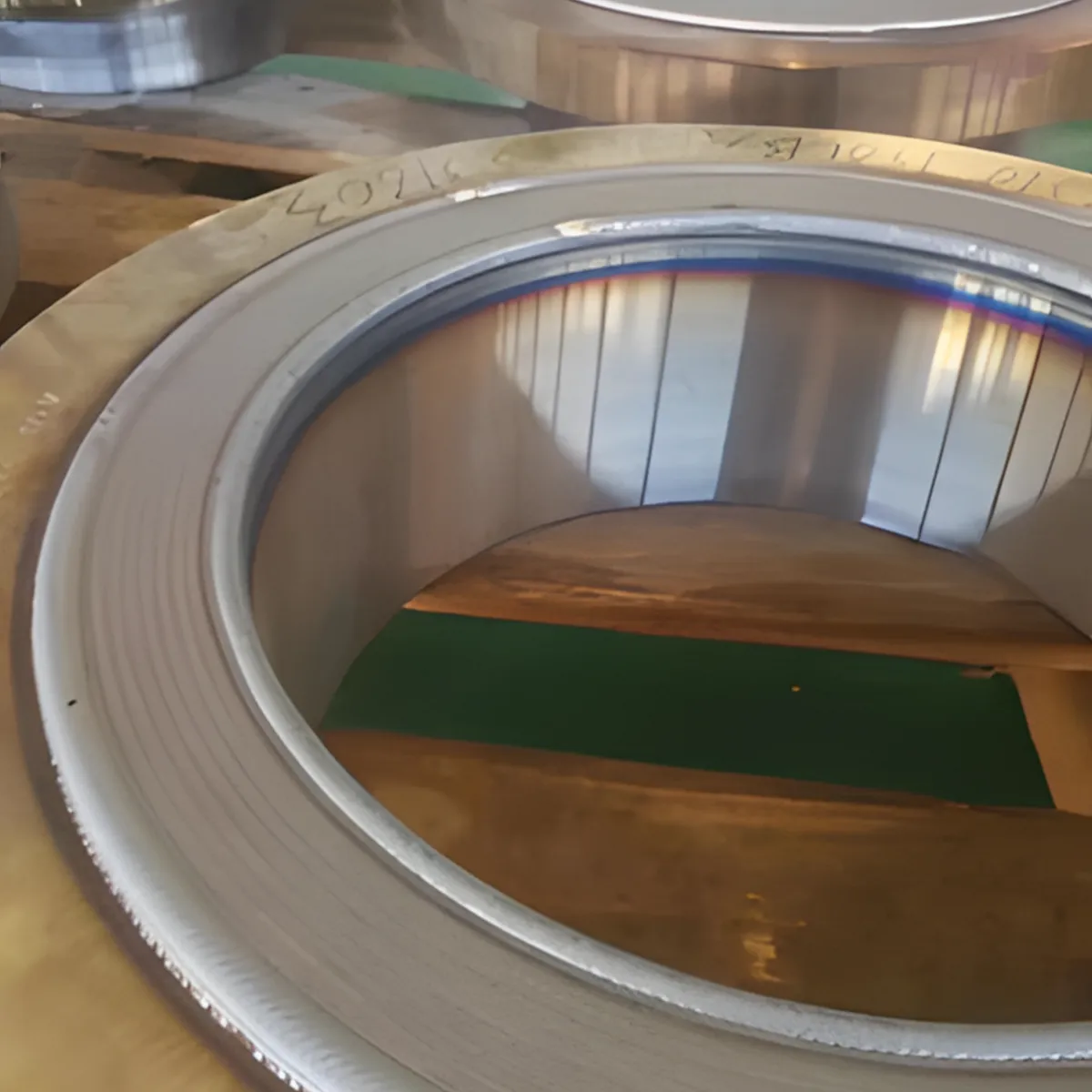
With over 40 years of successful application in the valve manufacturing sector, Hot Wire TIG Surfacing technology has become the gold standard for high-end industrial valves. It is primarily utilized for hardfacing sealing surfaces with cobalt-based, nickel-based, and iron-based alloys, as well as cladding channels and flanges with anti-corrosion materials such as 304L, 316L, and 2507 Duplex Steel.
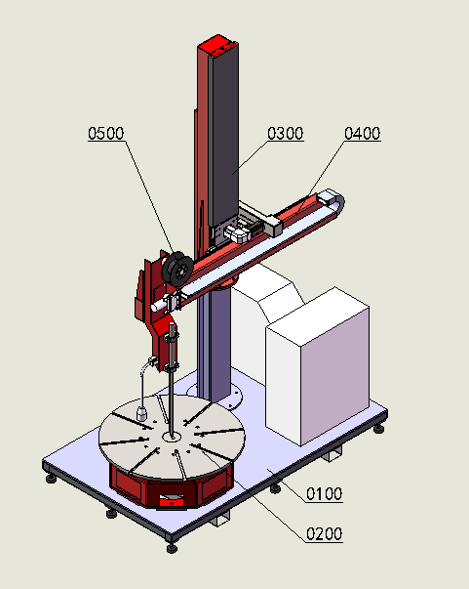
Why Hot Wire TIG Surfacing?
Compared to traditional manual welding, our Hot Wire TIG system offers unmatched advantages for high-pressure, high-temperature, and corrosive environments:
-
High Efficiency & Material Saving: Optimized deposition rates with minimal material waste.
-
Superior Weld Quality: Stable arc control ensures flawless, high-density surfacing layers.
-
Enhanced Durability: Replacing manual 2Cr13 welding with our iron-based alloy powder surfacing increases anti-galling performance by several folds, significantly extending valve service life.
-
Cost Reduction: Lowers comprehensive manufacturing costs while improving the overall quality of seal surfaces.
Technical Features
-
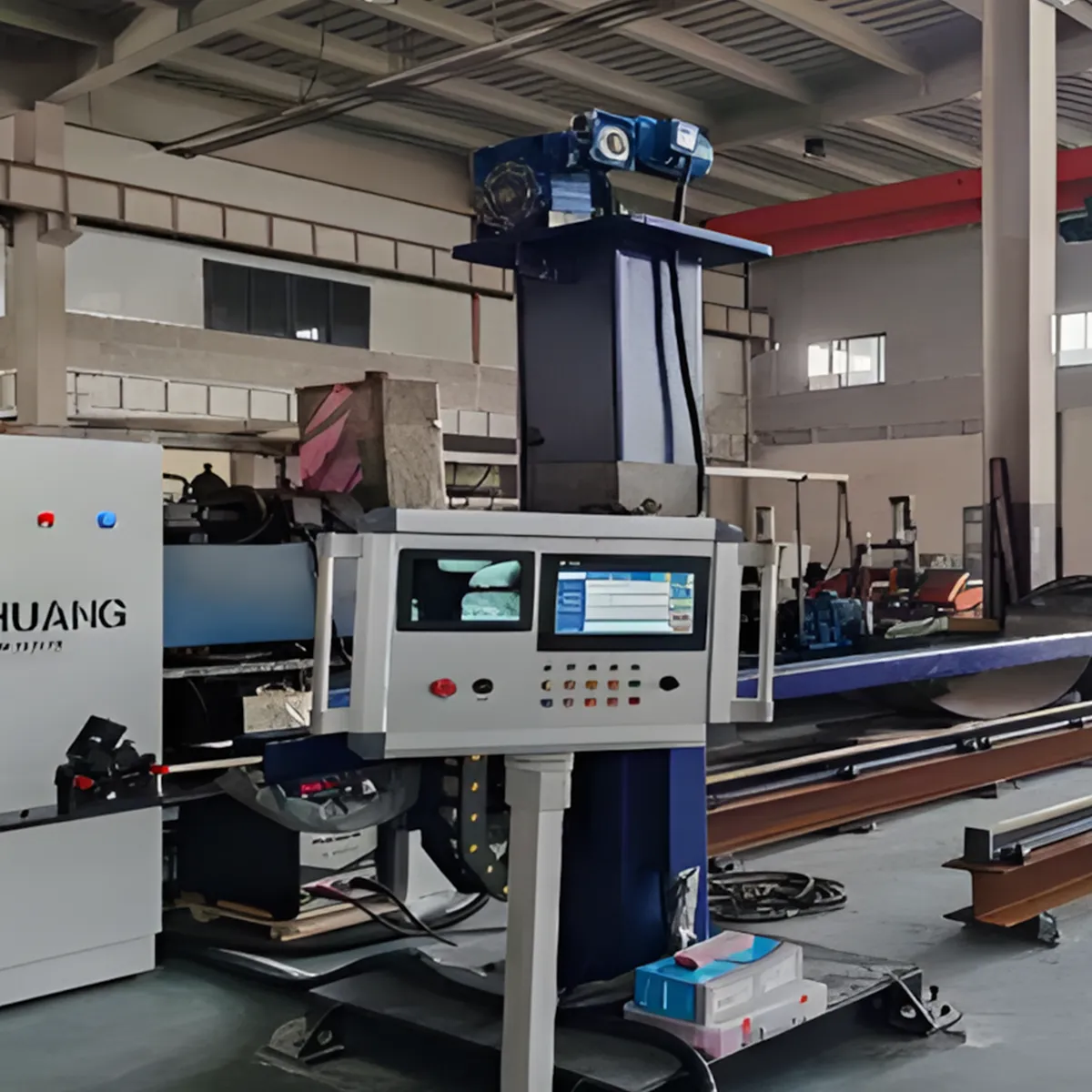
Precision Control: Advanced CNC/PLC integration for precise torch positioning and path tracking.
-
Hot Wire Technology: Pre-heated filler wire allows for higher deposition rates and lower heat input, reducing base metal dilution.
-
Wide Material Compatibility:
-
Hardfacing: Cobalt-based (Stellite), Nickel-based, and specialized Iron-based alloys.
-
Anti-corrosion Cladding: Stainless Steel (304L, 316L), Duplex Steel (2507), and Inconel.
-
-
Reduced Labor Intensity: Fully automated process minimizes human error and physical strain on operators.
Core Applications
Our surfacing systems are widely used in the manufacturing of various high-performance valves:
-
Valve Types: Gate Valves, Globe Valves, Check Valves, Plug Valves, Cast Steel Valves, Ball Valves, and Triple Eccentric Butterfly Valves.
-
Key Components: Internal seal surfaces, valve seats, flange faces, and flow channels.
-
Sectors: Oil & Gas, Petrochemical, Power Generation, and Heavy Chemical Industries.