


In high-stress manufacturing sectors such as precision stamping, metal forming, and high-speed CNC machining, tools and molds are constantly subjected to severe adhesive wear, high-load friction, and thermal shock. Standard surface treatments often struggle to provide sufficient protection, leading to frequent tool replacement and costly line stoppages.
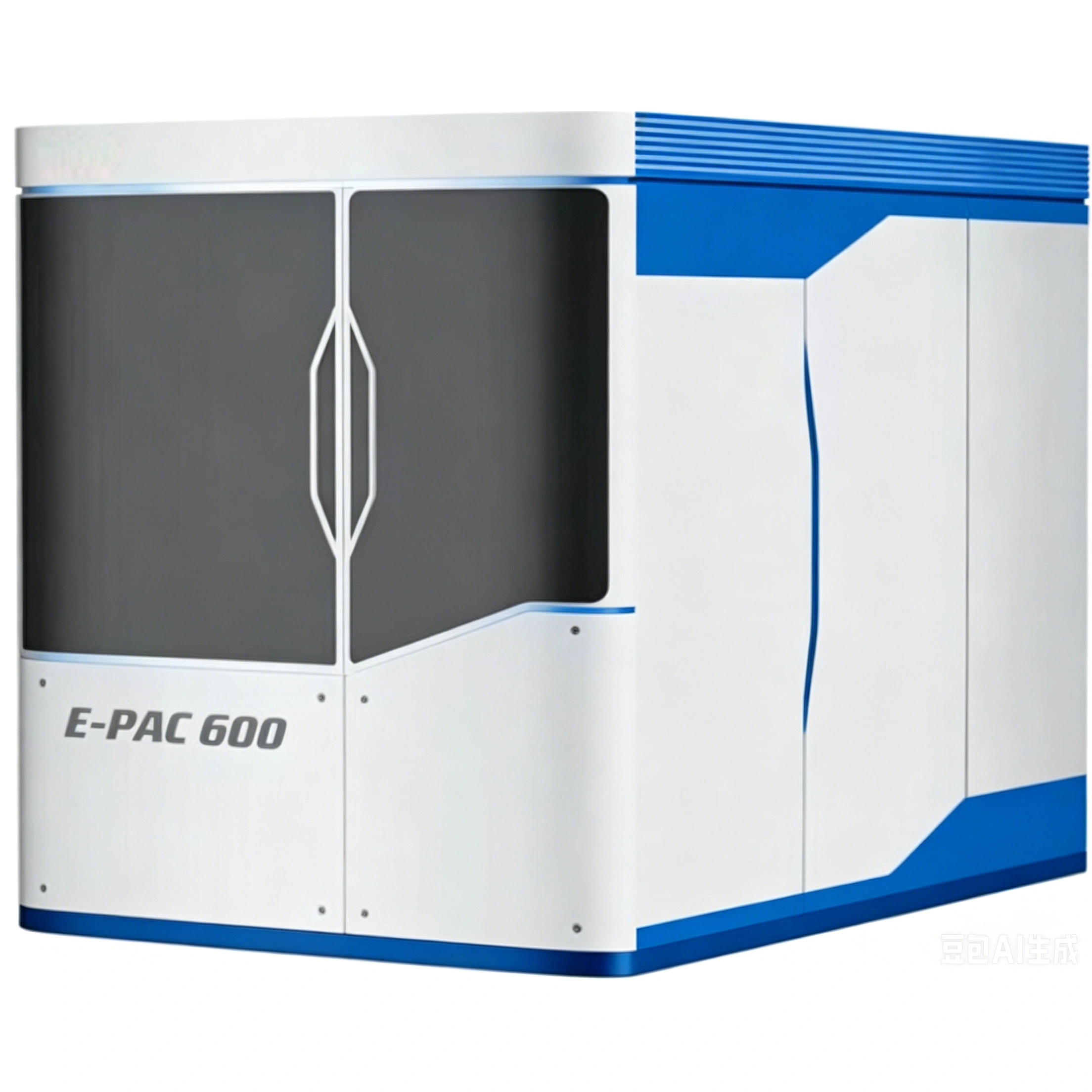
We offers the E-PAC High-Frequency Pulsed DC Arc PVD Equipment. As our premier physical vapor deposition platform, the E-PAC series combines advanced cathodic arc technology with high-frequency pulsed power controls. This system delivers ultra-hard, highly dense, and flawlessly uniform thin-film coatings that extend tool and mold lifespans by multiple magnitudes.
1. Physical Principle of PVD Coatings
Physical Vapor Deposition (PVD) is an eco-friendly vacuum coating technology that modifies metal surfaces at the atomic level. The process operates through three highly controlled stages within a vacuum environment:
-
Vaporization (01. Gasification): High-energy electrical or thermal sources vaporize a solid target block (such as Titanium or Chromium), converting solid material into highly active gaseous atoms and ions.
-
Transport (02. Transmission): These vaporized metal ions and atoms travel rapidly across the vacuum chamber from the target source toward the target components.
-
Deposition (03. Condensation): Once the ions reach the workpiece surface, they undergo absorption, condensation, and nucleation. The atoms lock onto the base metal, building a dense, uniform, and highly structured functional thin film.
2. Choosing the Right PVD Methodology
Different manufacturing goals require different vacuum coating techniques.
-
Vacuum Evaporation: Melts target materials using thermal heat. While it offers high deposition speeds and simple machinery, the adhesion force is relatively weak, making it unsuitable for heavy-duty industrial tools.
-
Vacuum Sputtering: Knocks atoms off a target using gas ion bombardment. It creates highly uniform films, but deposition rates are generally lower.
-
Cathodic Arc Ion Plating (The E-PAC Standard): Uses highly concentrated electric arcs to vaporize and ionize target materials. Because of its exceptionally high ionization rate, the vaporized particles carry high energy, resulting in superior coating density and unmatched adhesion strength. This makes it the premier choice for wear-resistant tool coatings.
-
Magnetron Sputtering & High-Power Impulse Magnetron Sputtering (HiPIMS): Utilizes magnetic fields or high-power pulses to guide electron paths, producing nanoscale, defect-free coatings for high-end electronics and optics.
3. Core Technical Strengths of the E-PAC Series
By combining high-frequency pulsed DC power with proprietary cathodic arc source designs, the E-PAC system overcomes the historical limitations of traditional arc plating. The system delivers four core operational advantages:
Extreme Film Performance
The E-PAC system deposits coatings with a surface hardness easily exceeding 2000 HV (and up to 3300 HV depending on the target recipe). These films maintain a very low friction coefficient and superior chemical stability, significantly reducing surface wear under heavy mechanical loads.
Industry-Leading Adhesion
Using high-energy ion bombarding during the initial cleaning cycle, the system removes microscopic oxides to secure a perfect atomic-level lock between the coating and the base metal. This prevents peeling, chipping, and delamination during high-speed cutting or high-pressure stamping.
Eco-Friendly Green Production
The entire PVD cycle operates in a fully enclosed, clean vacuum chamber. The process does not require toxic chemical baths, heavy metals, or hazardous liquid agents, producing zero wastewater and zero harmful gas emissions. It fully complies with international environmental and safety standards.
Broad Material Compatibility
Our low-temperature deposition recipes protect a wide variety of substrate materials. The system can safely coat alloy steels, carbides, ceramics, industrial glasses, and even specialized high-temperature plastics without causing thermal warping or structural damage.
4. Hardware Integration & Specifications
The physical layout of the E-PAC cabinet is designed for maximum space efficiency and robust daily operation. The system integrates several advanced hardware modules:
-
High-Efficiency Ion Source Etching: Utilizes an advanced ion source to maximize surface cleaning and activation. This step creates uniform microscopic roughness, laying a flawless foundation for the subsequent coating layers.
-
Macroparticle Reduction Technology: Historically, cathodic arc systems suffered from "droplet" or "macroparticle" defects, which created a rough surface finish. The E-PAC system utilizes a proprietary high-frequency pulsed power supply to instantly suppress arc discharge, reducing droplets by up to 80% to deliver an incredibly smooth, mirror-like finish.
-
Pulsed DC/Arc Composite Power Supply: A proprietary high-frequency generator that allows precise control over deposition energy, improving target material utilization and coating density.
Key Equipment Parameters
-
Effective Working Space: Diameter of 750 mm by height of 600 mm (designed to accommodate large batches of milling cutters, hobs, and stamping dies in a single cycle).
-
Maximum Loading Capacity: 1 metric ton (1000 kg), supported by a robust, heavy-duty rotating fixture carriage.
-
Power Control System: Fully integrated cabinet-style design running our proprietary DLV-Control software for automated process execution and parameter logging.
5. Industrial Applications
The E-PAC Cathodic Arc PVD system is the ideal production machine for high-yield job shops and manufacturing plants:
-
Precision Stamping & Bending Dies: Prevents metal-to-metal sticking and sliding abrasion on automotive body panel forming dies.
-
High-Performance Cutting Tools: Protects CNC end mills, drills, taps, and gear hobs from heat buildup and edge chipping.
-
Die-Casting Molds: Shields aluminum and zinc die-casting molds from molten metal erosion and thermal cracking.
-
Precision Sliding Components: Minimizes frictional wear on heavy-duty piston rods, hydraulic valves, and industrial gear shafts.


