What Is Pulsed Plasma Nitriding? Process, Benefits and Buyer Inputs
News Details
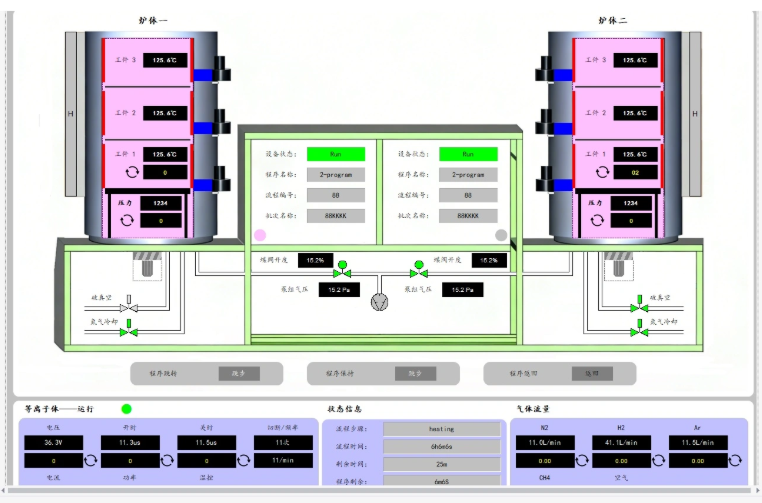
Metal parts often need more than strength. They also need a hard surface that can resist wear, friction, and repeated loads. Pulsed plasma nitriding is one way to improve these surface properties.
This process adds nitrogen to the surface of steel and other suitable alloys. It creates a hard outer layer while keeping the core of the part strong and tough.
For industrial buyers, the key question is simple: Is pulsed plasma nitriding right for your parts?
The answer depends on the material, part size, surface requirements, and production needs. So, it is useful to understand the process before choosing a plasma nitriding service.
What Is Pulsed Plasma Nitriding?
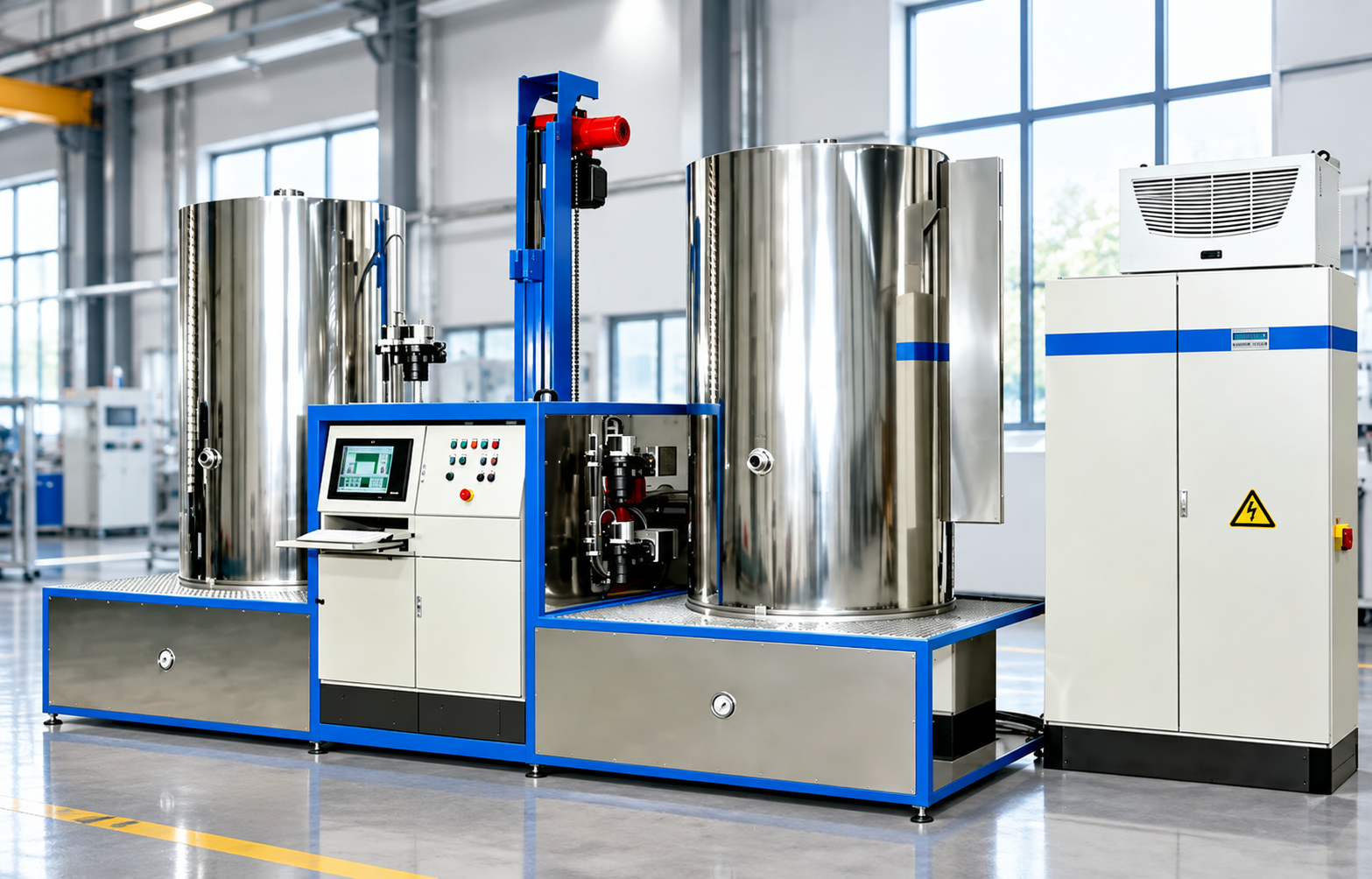
Pulsed plasma nitriding is a surface treatment process. It uses plasma to add nitrogen to the surface of a metal part.
First, the supplier places the parts inside a vacuum chamber. The chamber contains a controlled mix of gases, such as nitrogen and hydrogen. An electric current then creates a plasma around the parts.
The plasma helps nitrogen enter the metal surface. As a result, the surface becomes harder and more resistant to wear.
The process uses pulsed electrical power. This gives the operator better control over the plasma and treatment conditions.
The treatment does not harden the whole part. Instead, it mainly changes the surface. Therefore, the part can keep the strength and toughness of its core.
How Does the Process Work?
A typical pulsed plasma nitriding cycle has several steps.
1. Clean the Parts
The supplier first cleans the parts. Oil, dust, rust, and other dirt can affect the treatment.
Good surface preparation helps the process produce more stable results.
2. Load the Vacuum Chamber
Next, workers place the parts inside the chamber. The fixture must support the parts correctly.
Good loading also helps the plasma reach the required surfaces.
3. Create the Plasma
The chamber is pumped down to the required vacuum level. Then, the supplier adds the process gases.
An electrical current creates the plasma. The operator controls key settings such as pressure, temperature, voltage, and gas flow.
4. Add Nitrogen to the Surface
During treatment, nitrogen moves into the metal surface.
The treatment time and temperature affect the final layer. Therefore, the supplier must set the process based on the material and the buyer's target.
5. Cool and Inspect the Parts
After treatment, the parts cool under controlled conditions.
The supplier can then check surface hardness, case depth, dimensions, and appearance. For precision parts, dimensional checks are especially important.
What Are the Main Benefits?
Pulsed plasma nitriding offers several benefits for industrial applications.
Higher Surface Hardness
The process can increase surface hardness. This helps parts handle contact and repeated loading.
For example, manufacturers may use nitriding for gears, shafts, molds, dies, and other wear-prone parts.
Better Wear Resistance
A harder surface can reduce wear during use. This can help extend the working life of metal components.
As a result, companies may reduce the frequency of part replacement and maintenance.
Low Distortion Nitriding
Dimensional stability matters for precision parts.
Pulsed plasma nitriding can support low distortion nitriding when engineers select suitable process conditions. The lower treatment temperature and controlled process can help limit changes in part dimensions.
However, buyers should not assume that distortion will always be zero. Part shape, material, previous heat treatment, internal stress, and process settings can all affect the result.
Good Process Control
Pulsed power gives operators more control over the treatment process.
This makes it easier to adjust the cycle for different materials and part designs. It also helps suppliers build repeatable treatment processes for production batches.
What Information Should Buyers Provide?
Before requesting a plasma nitriding service, buyers should provide clear technical information.
Material
Start with the exact material grade. Also provide information about previous heat treatment if available.
Different steels can require different nitriding conditions.
Part Size and Weight
Provide the length, width, diameter, wall thickness, and weight of the parts.
These details help the supplier check chamber capacity and loading options.
Quantity
Tell the supplier your batch size and expected order frequency.
A small test batch and high-volume production may require different equipment and process planning.
Surface Requirements
Clearly state what you need from the treatment.
For example, you may need:
- A specific surface hardness
- A target case depth
- Better wear resistance
- Better fatigue performance
- Better dimensional stability
Clear targets help the supplier develop a more suitable process.
Drawings and Photos
Technical drawings can save time during the first discussion.
Mark critical dimensions and tight tolerances on the drawings. Photos can also help the supplier understand the part shape and possible loading issues.
What About Custom Industrial Equipment?
Some projects need more than a standard treatment system. Buyers may need customized equipment, fixtures, automation, or production-line integration.
This is where experience in industrial equipment can make a difference.
Juchuang provides customized industrial equipment and welding solutions. As a custom welding machine manufacturer, Juchuang can develop equipment based on different production needs. Its experience as a welding system integrator China also supports projects that require equipment integration and automation.
For plasma surface treatment projects, this type of engineering experience can help connect equipment design with real production needs.
Is Pulsed Plasma Nitriding Right for Your Parts?
Pulsed plasma nitriding can improve surface hardness and wear resistance while helping maintain good dimensional stability.
However, the right process depends on your parts.
Before choosing a supplier, check the material, part size, target hardness, case depth, dimensional tolerance, and production volume.
Then, provide drawings and clear technical requirements. A qualified supplier can use this information to recommend a suitable process.
For companies looking for a reliable plasma nitriding service, starting with complete part information is one of the best ways to get a practical and accurate solution.


