PVD Coating Service Guide: Substrate, Pretreatment, Coating and Validation
News Details
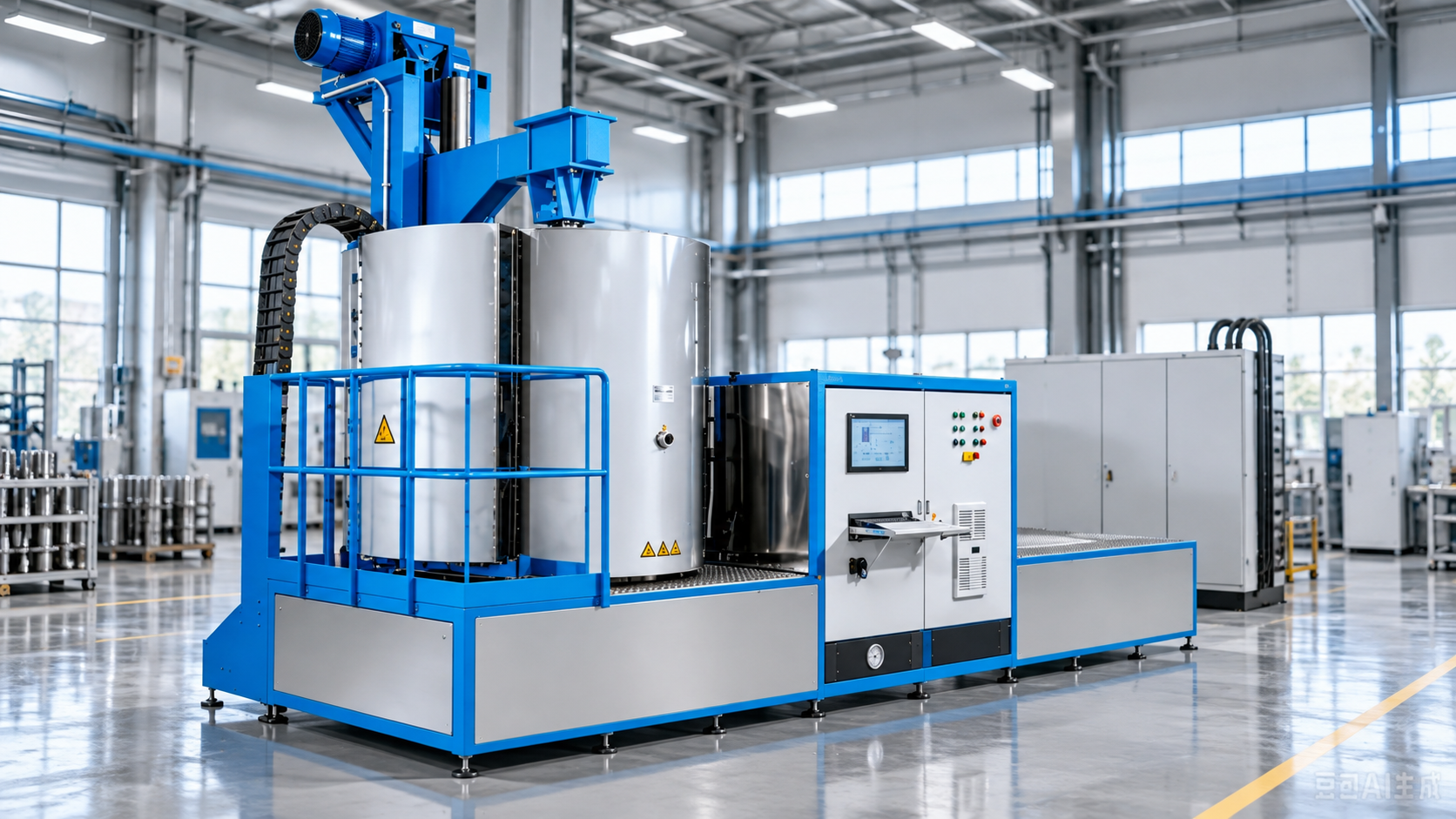
A good coating starts long before the coating chamber runs. In fact, the final result depends on four linked steps: the substrate, the pretreatment, the coating design, and the validation test. If one step is weak, the full surface system may fail early.
For manufacturers, a PVD coating service is not just a thin film on a part. It is a way to improve wear life, reduce friction, protect precision surfaces, and support stable production. Therefore, choosing the right process matters for molds, dies, cutting tools, forming parts, medical parts, automotive parts, and many high-value components.
Juchuang, a custom welding machine manufacturer and welding system integrator China, also supports plasma surface treatment through JuBond, its dedicated surface treatment division. With experience in plasma equipment, PVD functional coatings, and composite strengthening, Juchuang helps users match the coating to the real working condition.
What Is PVD Coating?
PVD means physical vapor deposition. During the process, coating material is changed into vapor in a vacuum chamber. Then, it forms a thin and dense film on the part surface.
A functional PVD coating can improve hardness, wear resistance, heat resistance, corrosion resistance, release ability, and friction control. Common coating types include TiN, CrN, TiAlN, AlTiN, DLC, and other films for special uses.
However, PVD coating is not a magic cover. It works best when the base part is strong, clean, and well prepared. That is why a full service guide should begin with the substrate.
Step 1: Check the Substrate
The substrate is the base material of the part. It may be tool steel, stainless steel, alloy steel, carbide, titanium alloy, or another metal. Each material reacts differently during heating, cleaning, and coating.
First, the service team should check the material grade, hardness, heat treatment state, surface condition, and part use. This helps avoid poor bonding, soft support, or shape change.
For example, if the substrate is too soft, a very hard coating may crack under load. If the part has hidden stress, it may deform during heating. Also, if the surface has pores, burns, heavy oxides, or loose layers, the coating may not bond well.
So, before coating, it is important to ask simple but useful questions. What material is the part made from? What load will it face? What is the working temperature? Is the wear sliding, impact, adhesive, abrasive, or mixed? The answers guide the next step.
Step 2: Plan the Pretreatment
Pretreatment is the bridge between the substrate and the coating. It removes weak surface layers and creates a clean base for bonding.
Common pretreatment steps may include degreasing, ultrasonic cleaning, polishing, blasting, edge rounding, plasma cleaning, and sometimes plasma nitriding. The exact method depends on the part.
For high-precision parts, polishing can lower friction and improve coating quality. For cutting or punching tools, controlled edge preparation can reduce chipping. For molds, cleaning and surface smoothing can improve release and reduce wear marks.
In some cases, plasma nitriding before PVD coating is useful. It builds a harder support layer inside the steel surface. Then, the PVD film adds a high-performance top layer. As a result, the part gains both load support and surface function.
Step 3: Choose the Right Coating
After the substrate and pretreatment are clear, the coating can be selected. This choice should match the part’s job, not just the coating name.
For cutting tools, heat resistance and hardness are often key. For forming tools, low friction and anti-galling performance may matter more. For plastic molds, release ability and corrosion resistance may be important. For precision sliding parts, a low-friction coating such as DLC may help reduce wear and energy loss.
Film thickness also matters. A thicker coating may improve wear life in some cases, but it can also affect tight tolerances or sharp edges. A thinner film may keep the size closer to the drawing, but it must still carry the surface load.
Therefore, a good PVD coating service should balance hardness, friction, thickness, color, temperature limit, and part geometry.
Step 4: Run Coating with Process Control
Once the coating plan is set, the process must be controlled with care. Vacuum level, cleaning time, bias voltage, arc or sputter source, temperature, rotation, and deposition time all affect coating quality.
Stable process control helps the film grow evenly. It also improves density, surface finish, and repeatability from batch to batch.
This is especially important for B2B users. A single good sample is not enough. The coating must work across real production batches, with traceable parameters and clear inspection records.
Step 5: Validate with PVD Adhesion Test and Inspection
Validation proves whether the coating is fit for use. One key method is the PVD adhesion test. This test checks how strongly the coating bonds to the substrate.
Common methods may include scratch testing, indentation testing, tape testing, or practical trial runs under real working conditions. In addition, the team may check coating thickness, hardness, surface roughness, color, coverage, and visual defects.
Still, lab results should be linked with field results. If a coated punch lasts longer, a mold releases better, or a sliding part runs with less wear, the surface design is working. Therefore, validation should include both inspection data and real production feedback.
Why Work with Juchuang?
Juchuang is based in Changzhou, Jiangsu, and focuses on advanced plasma welding, automation, and tailored industrial systems. Its JuBond surface treatment division provides pulsed plasma nitriding, PVD functional coatings, and composite coating solutions for high-end manufacturing fields.
Because Juchuang understands both equipment and part performance, it can support users from process discussion to coating service. This is helpful for companies that need more than a standard coating. They may need a practical surface plan for molds, tools, fixtures, welding-related parts, new energy parts, automotive parts, or precision components.
Final Thoughts
A reliable PVD coating service is a complete workflow. It starts with substrate review, then moves through pretreatment, coating design, controlled processing, and final validation.
When these steps are handled together, a functional PVD coating can bring longer service life, lower wear, smoother production, and fewer part failures. For demanding parts, this careful approach is often the difference between a coating that looks good and a coating that truly works.


