How Does Plasma Surface Treatment Work?
News Details
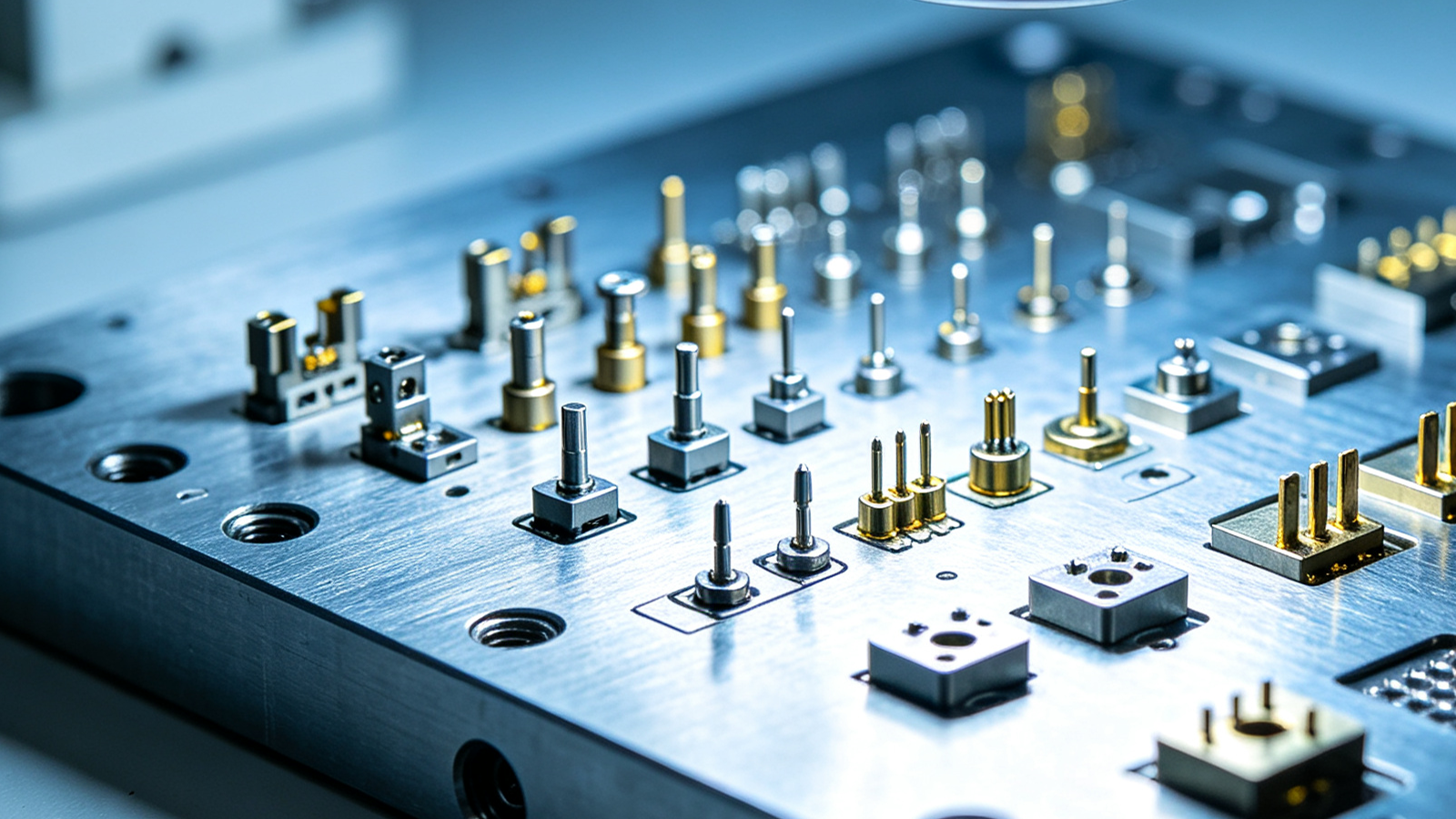
In modern manufacturing, getting materials to stick together can be a huge challenge. Plastics, metals, and composites often have smooth or dirty surfaces that resist glue, ink, and coatings. This is where plasma surface treatment comes into play. It is a highly effective solution that changes how materials interact at a microscopic level.
At JC Weldtech, we specialize in advanced industrial solutions. Therefore, we understand how vital surface preparation is for your production line. In this article, we will break down the science behind this process in a simple, clear way.
What is plasma technology?
To understand how the process works, we must first ask: What is plasma technology?
Most of us know about the three basic states of matter: solid, liquid, and gas. However, if you add a large amount of energy to a gas, it changes into a fourth state, which is plasma.
In simple terms, plasma is an ionized gas. It contains a mix of highly active particles, including electrons, ions, and neutral atoms. Because these particles are full of energy, they can alter the surface of a material without changing the bulk properties of the object itself.
How does plasma surface treatment work?
When you apply plasma on surfaces, it triggers three main actions at the same time: cleaning, micro-etching, and activation.
Here is exactly what happens during a standard plasma surface treatment technology cycle:
-
Deep Cleaning: First, the high-energy plasma particles hit the material. This action breaks down organic contaminants like oils, grease, and microscopic dust. As a result, these impurities turn into vapor and blow away, leaving behind a perfectly clean surface.
-
Surface Activation: Next, the plasma breaks the chemical bonds on the top layer of the material. It replaces them with highly active chemical groups, such as hydroxyl or carboxyl groups. This process increases the surface energy, which makes the material highly receptive to liquids.
-
Micro-Etching: Finally, the plasma slightly roughens the surface on a microscopic scale. This physical change increases the total surface area, which gives glues and paints a much stronger grip.
Why use plasma surface technology?
Using advanced Plasma Surface Engineering Technology offers massive benefits for industrial manufacturers. Consequently, more factories are replacing old chemical methods with this system.
-
Eco-Friendly and Clean: Unlike traditional methods, plasma does not use harsh chemicals or toxic solvents. Therefore, it is safe for your workers and excellent for the environment.
-
Highly Precise: You can treat very specific areas of a part without affecting the rest of the component.
-
Universal Application: This method works perfectly on plastics, rubber, metals, glass, and ceramics alike.
Boost your production with JC Weldtech
In short, plasma surface technology is a fast, reliable, and clean way to prepare your materials for bonding, printing, or painting. By using the power of the fourth state of matter, you can easily eliminate adhesion failures and boost your final product quality.
Are you looking to improve your assembly line efficiency? Explore our high-performance automation and industrial processing systems at JC Weldtech. Contact our technical team today to find the perfect fit for your factory.


