Plasma + TIG Welding Systems: Process Window, Back Formation and Use
Case Details
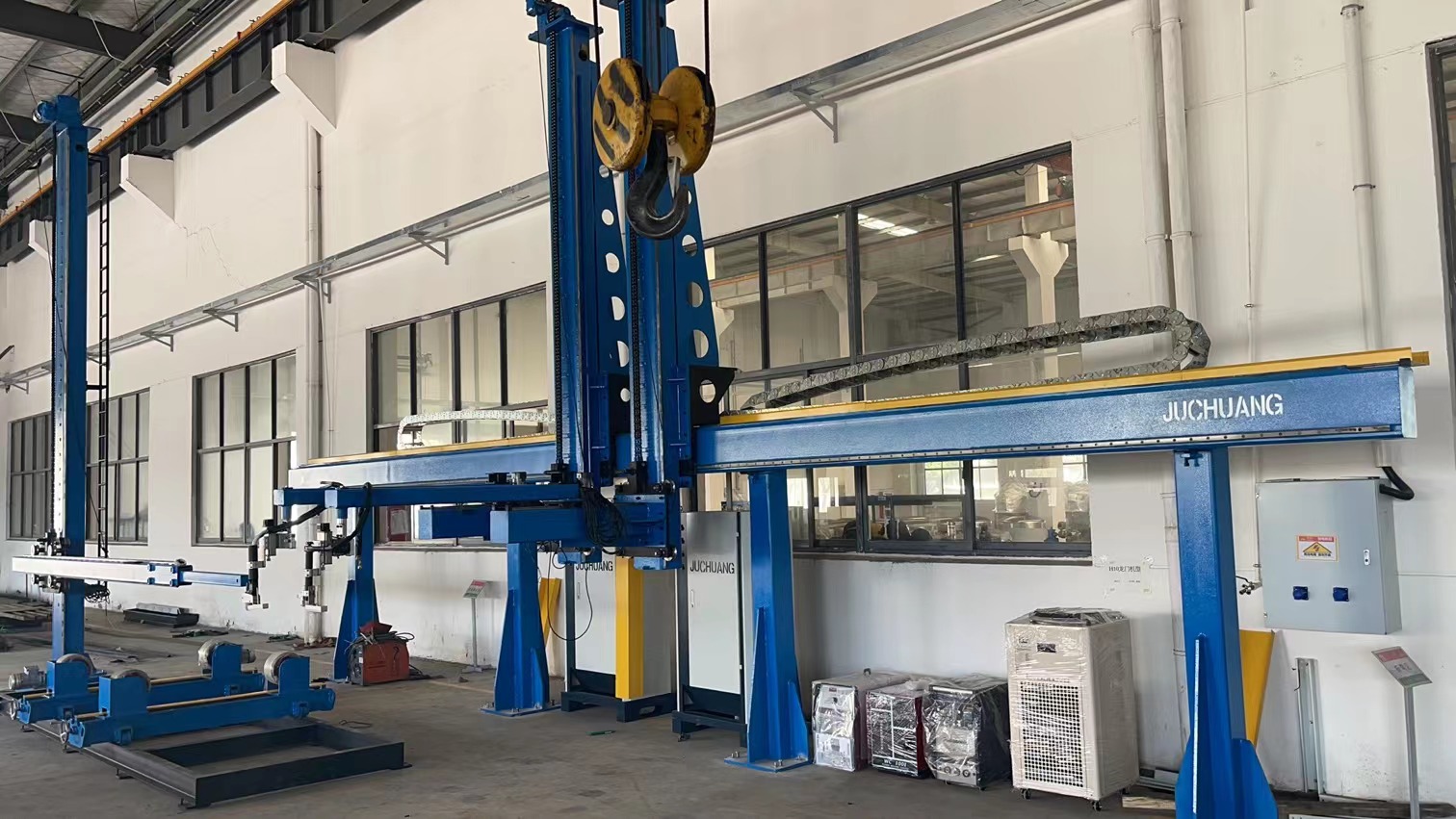
In industrial manufacturing, clean metal joints are essential. Arc processes carry most of the workload, but single-method setups often run into real speed and quality limits. Modern fabrication teams now turn to a hybrid solution: combining a plasma arc welding machine with a Gas Tungsten Arc Welding (TIG) torch.By merging both technologies, manufacturers get deeper penetration, higher travel speeds, and smoother seam profiles.
Understanding how aplasma TIG welding systemoperates helps engineering teams select the right setup for their production lines.
Understanding the Process: PAW vs TIG Welding
To see why a combined setup works so well, it helps to reviewPAW vs TIG weldingside by side:
-
TIG Welding (GTAW): Uses a free-burning arc between a non-consumable tungsten electrode and the metal piece. It offers top-tier visual finish and precise control, but it works slowly and lacks deep single-pass penetration on thicker plates.
-
Plasma Arc Welding (PAW):Uses a tungsten electrode positioned inside a copper nozzle.Gas flows through a fine orifice, constricting the arc.This creates high heat density, high pressure, and deep keyhole penetration.
When you align both torches along the same joint line, the plasma arc pierces through the material first, while the trailing TIG arc smooths out the top weld bead.
Expanding the Process Window
Every welding project operates within a set "process window." This is the range of settings—like electric current, travel speed, arc gap, and gas volume—where you get solid welds without defect risks.
Single-torch plasma setups often have a narrow operational window:
-
Too little heat or gas pressure: The plasma jet fails to pierce through the metal fully, causing incomplete penetration.
-
Too much heat or gas pressure: The keyhole collapses or blows out, leaving holes and rough undercuts.
Adding a trailing TIG torch widens this process window significantly. The leading plasma torch handles the main penetration. Meanwhile, the trailing TIG torch feeds extra heat, stabilizes the molten pool, and fills in minor side gaps. This setup gives operators far more leeway against slight material variations, gap shifts, or minor setup errors without sacrificing quality.
Controlling Weld Back Formation
Consistent back formation (the bottom profile of the weld seam) is a major challenge when joining pressure vessels, pipes, or continuous sheets. Achieving a smooth, flush back bead usually demands complex backing tooling or precise purge gases.
A plasma TIG welding system improves back formation through two core mechanisms:
-
Keyhole Stabilization: The leading plasma arc opens a neat keyhole channel. Surface tension pulls the liquid metal around this pocket, letting it freeze smoothly on the backside.
-
Controlled Fluidity: The trailing TIG torch keeps the top pool fluid just long enough. This releases trapped gas bubbles and levels out the root bead.
The result is a uniform, flat-to-slightly-convex back bead that resists cracking, reduces internal stress, and needs far less post-weld grinding.
Key Industrial Use Cases
Combining plasma and TIG torches creates clear production wins across several demanding sectors:
1. Pressure Vessels and Boilers
Thick stainless steel or carbon steel tanks require full-penetration joints that can pass non-destructive testing (NDT). The plasma torch cuts through thick wall sections in a single pass, while the TIG torch delivers a clean, leak-proof surface finish.
2. Longitudinal Pipe and Tube Manufacturing
High-speed tube mills need continuous, defect-free seams. The hybrid process lets mills boost line speeds while maintaining complete joint fusion and smooth inner bead profiles.
3. Aerospace and Defense Structures
Aerospace parts demand light weights and absolute joint integrity. By minimizing heat input compared to multi-pass TIG setups, plasma-TIG combinations lower thermal warping across titanium and nickel alloys.
4. Thin-to-Medium Sheet Metal Assemblies
For food-grade stainless tanks or chemical processing units, the system delivers high-speed single-pass welds that look clean on both sides without requiring manual rework.
Partnering with Juchuang for Integrated Solutions
Automating a hybrid dual-torch process requires strict control over gas flows, arc distances, and multi-axis torch movements. That is where equipment integration matters most.
As a leading custom welding machine manufacturer and trusted welding system integrator China, Juchuang builds tailored automated equipment engineered around your exact application requirements. From specialized torch carriages and precision gantry tracking to fully automated work-cells, Juchuang helps manufacturers unlock stable process windows, ideal back formation, and reliable production throughput. Contact Juchuang today to explore custom plasma and TIG automation for your factory floor.


